

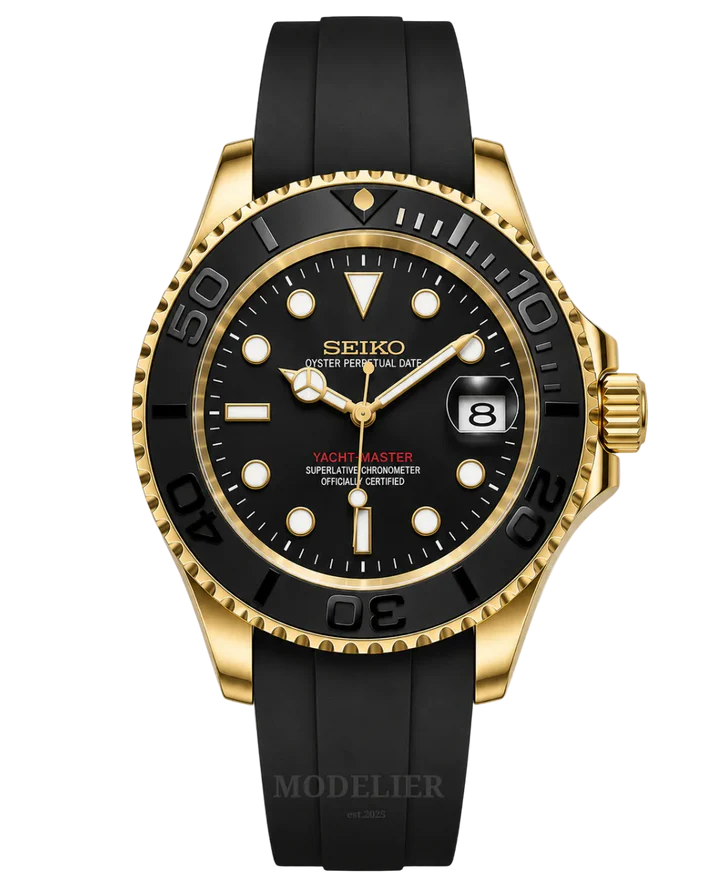
Investing in Horology: Understanding Seiko Stock and Financial Performance

For watch enthusiasts, collectors, and investors alike, the name Seiko represents a massive pillar of the global watchmaking industry. While millions are familiar with the enduring quality of a Seiko watch on the wrist, fewer people look behind the dial to evaluate the company as a financial asset.
If you are looking to diversify your portfolio with a premier luxury and consumer goods asset, understanding Seiko stock is an informative next step. This guide breaks down the corporate structure, stock exchange information, and recent market performance of the parent company powering the watchmaker.
1. The Corporate Structure Behind the Brand
When buying Seiko stock, you aren't just purchasing a piece of a watch company; you are buying into a multi-faceted conglomerate. The watch brand is operated by Seiko Group Corporation, a publicly traded holding company headquartered in Tokyo, Japan.
While watches form the "Emotional Value Solutions" core of their business, the company relies on a diversified structural framework spanning three core segments:
-
The Watch Business: Designing and manufacturing iconic collections ranging from entry-level Seiko 5 Sports to luxury Prospex, Presage, and high-end Grand Seiko models.
-
Electronic Devices: Manufacturing high-precision components like crystal oscillators, micro-batteries, materials, and specialized printers.
-
System Solutions: Delivering data services, wireless communication equipment, and information network infrastructure.
2. Seiko Stock Market Essentials
To track or trade Seiko Stock, you must look to the Japanese market, where the parent company maintains its primary listing.
| Metric | Listing Details & Figures |
| Stock Exchange | Tokyo Stock Exchange (TSE) |
| Ticker Symbol | 8050 |
| Sector | Consumer Cyclicals / Luxury Goods |
| Market Capitalization | Approximately ¥600 Billion JPY |
| Vertical Integration | Fully integrated (one of only two globally alongside Rolex) |
Because it is listed natively on the TSE, international investors generally trade the stock via international brokers with access to Asian equities, or look for corresponding over-the-counter (OTC) depository receipts.
3. Financial Performance and Market Momentum
Seiko Group Corporation has demonstrated exceptional financial resilience and growth, showing strong upward momentum driven by high-value product initiatives and a steady rebound in global tourist spend and domestic demand.
Record Profit Surges
For the fiscal year ending March 31, 2026, Seiko posted incredibly strong growth figures that caught the attention of institutional analysts:
-
Net Sales/Revenue: Rose 10.2% year-over-year to ¥335.7 billion JPY.
-
Net Income: Surged by a massive 65.1% to reach ¥22.0 billion JPY, heavily beating consensus market expectations.
-
Profit Margins: Expanded to 6.5% (up from 4.4% the prior year), proving that the brand's shift toward premium, higher-margin watch models is paying off.
                 [ SEIKO GROUP CORP NET PROFIT GROWTH ]
  2025: ¥13.3 Billion JPY ──┐
                            ├─► +65.1% Surge
  2026: ¥22.0 Billion JPY ──┘
The 2026 Stock Split & Dividend Outlook
In a decisive move to improve liquidity and make individual shares more accessible to retail investors, management executed a 2-for-1 stock split effective April 1, 2026.
Alongside the split, Seiko revised its shareholder return policies upward. The annual dividend forecast is set to yield an attractive payout ratio of over 30%, which is well-supported by robust corporate cash flows. This corporate behavior signals strong boardroom confidence regarding long-term financial stability.
Is Seiko Stock a Smart Investment?
Investing in Seiko Group Corporation is fundamentally a play on the enduring value of precision engineering and heritage branding.
-
The Upside: The company holds a rare competitive moat as a vertically integrated manufacturer. Its luxury arms—most notably Grand Seiko—are actively capturing market share from Swiss competitors in the Western hemisphere, protecting profits with solid pricing power.
-
The Risks: As a consumer cyclical brand, its revenue remains tied to discretionary spending. Fluctuations in foreign currency exchange rates (specifically the Japanese Yen against the USD and Euro) can heavily impact overseas profitability.
For individuals who appreciate the watchmaker's mastery of horology, analyzing the 8050:TYO ticker offers a chance to align consumer passion with structural investment growth. As always, balance your watch collection with a balanced portfolio, and ensure you evaluate fundamental financial reports before deploying capital.


