


How Professional Uniforms Support Australian Businesses
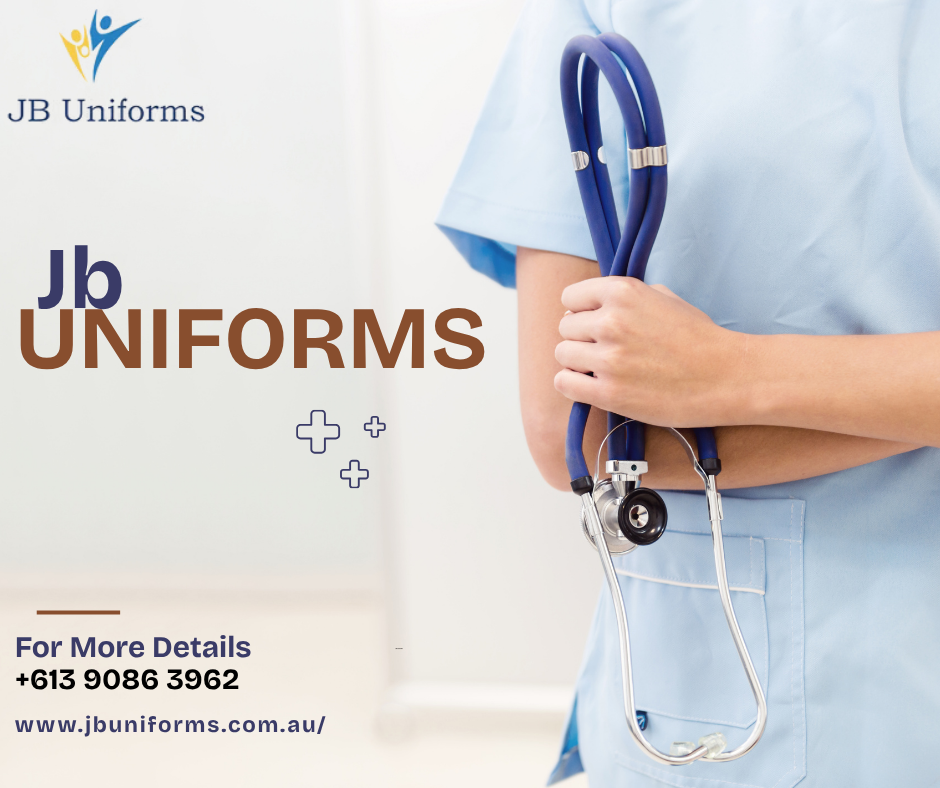
Professional uniforms play an important role in creating a consistent workplace identity, improving employee confidence, and supporting practical needs across different industries. From hospitality and healthcare to retail, construction, and corporate environments, the right clothing helps workers perform their roles comfortably while presenting a reliable image. Businesses looking for dependable options often explore solutions such as jb uniforms to understand how modern workwear can balance appearance, comfort, and functionality.
In Australia, workplace clothing is more than just a dress requirement. It can influence safety, team connection, customer perception, and daily productivity. A well-designed uniform considers the demands of each industry, ensuring employees have clothing that suits their working conditions while maintaining a professional standard.
Why Quality Uniforms Matter in Modern Workplaces
A uniform creates a visual connection between employees and the organisation they represent. Customers often recognise staff more easily when they wear consistent work clothing, especially in busy environments such as restaurants, medical facilities, and retail stores.
Beyond appearance, uniforms help employees feel part of a team. When everyone follows a consistent clothing standard, it can encourage a stronger sense of belonging and professionalism. For businesses with customer-facing roles, this consistency can make interactions smoother because customers can quickly identify who is available to assist them.
The best workwear choices focus on practical details. Features such as breathable fabrics, comfortable fits, durable stitching, and easy-care materials can make a significant difference for employees who wear uniforms for long hours.
Understanding Different Types of Workwear Needs
Every industry has different expectations when it comes to uniforms. A hospitality worker may need lightweight clothing that allows movement during busy shifts, while healthcare professionals require garments that support hygiene standards and long periods of activity.
For example, chefs typically need uniforms designed for kitchen environments, including comfortable jackets and protective elements. Healthcare workers may require scrubs that provide flexibility and easy maintenance. Corporate teams often prefer polished shirts, jackets, or branded apparel that reflects a professional workplace atmosphere.
This is why businesses should consider the daily tasks employees perform before selecting uniform styles. A visually appealing design is valuable, but it should always work alongside comfort and job requirements.
The Role of Comfort and Functionality in Workplace Clothing
Employees spend many hours wearing their work clothing, making comfort a major factor in uniform selection. Poorly designed garments can restrict movement, create discomfort, or reduce confidence during working hours.
Modern uniform solutions often focus on practical improvements, including stretch materials, moisture management fabrics, adjustable designs, and industry-specific features. These details may seem small, but they can have a noticeable impact on employee experience.
For instance, a hospitality team working in a fast-paced restaurant environment benefits from lightweight garments that allow movement and withstand frequent washing. Similarly, outdoor workers may require stronger materials that provide durability throughout changing conditions.
Brands such as jb wear are often associated with discussions around professional clothing choices because businesses continue to look for workwear that combines everyday practicality with a consistent appearance.
How Uniforms Influence Brand Identity
Uniforms can quietly communicate important information about a business. Colours, design choices, and garment quality can reflect company values and create a memorable impression for customers.
A carefully selected uniform does not need to be overly complicated. Simple, professional designs can often create the strongest impact because they appear organised and consistent. Many Australian businesses use uniforms as part of their broader workplace identity, helping employees represent the organisation naturally during daily interactions.
For example, a hospitality business may choose clean and approachable designs to match its customer experience, while a service-based company may focus on reliable and professional styles. The goal is to create clothing that supports the workplace environment rather than distracting from it.
Sustainability and Long-Term Uniform Considerations
Sustainability has become an important consideration for many Australian businesses when choosing workplace clothing. Companies are increasingly paying attention to garment lifespan, responsible production practices, and materials that reduce unnecessary waste.
Investing in durable uniforms can reduce the need for frequent replacements. This approach benefits both businesses and employees because reliable clothing maintains its appearance and performance for longer periods.
Businesses are also considering how uniforms can be reused, repaired, or responsibly managed at the end of their working life. These decisions reflect a broader shift toward more thoughtful purchasing practices across many industries.
Selecting Uniforms That Match Workplace Requirements
Choosing suitable uniforms requires understanding the specific environment, workforce needs, and company expectations. Businesses should consider factors such as employee roles, climate conditions, cleaning requirements, and the type of interaction staff have with customers.
A successful uniform program is not only about selecting attractive clothing. It involves creating a balance between professional appearance, employee comfort, durability, and practical performance.
In Australia’s diverse working environments, from urban offices to hospitality venues and service industries, uniforms continue to play an important role in supporting everyday operations. Organisations that carefully evaluate their clothing requirements can create a workplace standard that benefits both employees and customers.
Conclusion
Uniforms remain an essential part of professional workplaces because they combine identity, functionality, and comfort in one practical solution. Whether businesses are reviewing options like jb uniforms or exploring broader workwear approaches, the focus should remain on quality, suitability, and employee needs. Thoughtfully selected uniforms help create organised workplaces while supporting the people who wear them every day.

 English
 Arabic
 French
 Spanish
 Portuguese
 Deutsch
 Turkish
 Dutch
Dutch
 Italiano
 Romaian
 Portuguese (Brazil)
 Greek
Greek