

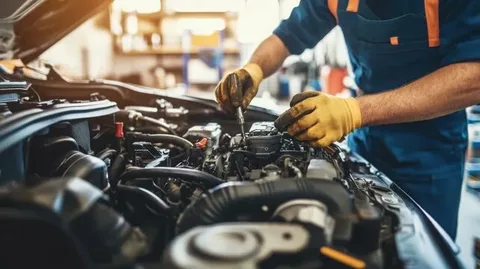

Modern vehicles rely on complex electrical systems to operate safely and efficiently. From starting the engine to controlling safety features, lighting, sensors, and entertainment systems, electrical components play a major role in everyday driving. When these systems develop faults, accurate diagnosis becomes essential because many problems are connected to hidden wiring issues, electronic components, or power supply failures. This guide explains the importance of electrical repair services Yeovil, common vehicle electrical problems, and what drivers should understand before arranging professional assistance.
Why Vehicle Electrical Systems Need Specialist Attention
Unlike older vehicles with simpler wiring, modern cars contain advanced electronic networks that communicate between multiple control units. These systems manage everything from engine performance and braking assistance to dashboard displays and security features.
A small electrical fault can sometimes create wider problems. For example, a weak battery connection may cause starting difficulties, warning lights, or inconsistent operation of electronic equipment. Similarly, a damaged sensor or wiring issue can affect how the vehicle performs and may reduce reliability.
Professional vehicle electrical repair Yeovil focuses on identifying the actual cause of a problem rather than only replacing visible parts. Proper testing helps ensure repairs are based on accurate information, reducing unnecessary replacements and improving long-term vehicle performance.
Common Electrical Problems Drivers Experience
Many vehicle owners notice electrical issues through everyday symptoms. Recognising these signs early can help prevent more complicated faults.
One common issue is battery-related failure. A vehicle may struggle to start, experience dim lighting, or lose electrical power because of an ageing battery, charging problem, or alternator fault. The alternator is responsible for keeping the battery charged while the engine runs, so problems in this area can quickly affect other systems.
Another frequent concern involves starter motors. When a vehicle makes clicking sounds but does not start, the cause may involve electrical connections, battery power, or starter components. A proper inspection is needed to determine which area requires attention.
Lighting problems are also common. Flickering headlights, faulty indicators, or interior lighting failures can result from damaged bulbs, wiring problems, or electrical control issues. These faults should not be ignored because vehicle lighting is important for road safety.
How Diagnostic Technology Helps Identify Faults
Modern electrical repairs rely heavily on diagnostic equipment. Technicians use specialist tools to communicate with the vehicle’s onboard computer systems and identify stored fault information.
Computer diagnostics can reveal issues that are not immediately visible. For example, a dashboard warning light may indicate a problem with a sensor, but the exact cause may involve wiring, connections, or another related component.
A skilled approach combines technology with practical experience. Diagnostic tools provide valuable information, but understanding how different systems interact is equally important. This combination allows repair professionals to investigate problems more efficiently and make informed decisions.
Businesses such as m&kyeovilautoservices highlight the importance of structured fault finding, where electrical problems are assessed carefully instead of relying on guesswork.
The Importance of Regular Electrical Checks
Many drivers only think about vehicle electrics when something stops working. However, regular inspections can help identify early warning signs before they become major issues.
Electrical checks may include examining battery condition, charging performance, wiring connections, fuses, and electronic components. These inspections are especially useful for vehicles that experience frequent short journeys, as batteries may not receive enough charging time.
For example, a vehicle used mainly for short local trips may develop battery problems sooner than one regularly driven on longer journeys. Early checks can help identify whether the battery, alternator, or electrical connections need attention.
Regular maintenance also supports vehicle reliability during colder months when batteries and electrical systems often face additional strain.
Choosing a Reliable Approach to Electrical Repairs
When dealing with electrical faults, accuracy and safety are important. Incorrect repairs can sometimes create further problems, especially when working with sensitive electronic systems.
A reliable repair process usually involves several steps: understanding the symptoms, carrying out testing, identifying the source of the fault, and completing suitable repairs. Clear communication about the issue helps create a better understanding between vehicle owners and repair specialists.
Drivers should also consider the experience of professionals working on their vehicle. Electrical systems vary between manufacturers and models, so knowledge of different technologies can make a significant difference when diagnosing problems.
Whether the issue involves starting problems, warning lights, damaged wiring, or electronic components, a careful inspection provides a stronger foundation for effective repairs.
How Vehicle Electrical Knowledge Benefits Drivers
Understanding basic vehicle electrical systems helps drivers make better decisions when problems appear. Knowing the difference between a battery issue, charging fault, or wiring problem can help explain symptoms more clearly during an inspection.
For instance, a car that loses power while driving may have a charging system issue rather than simply needing a new battery. Similarly, repeated fuse failures may indicate an underlying electrical problem that requires further investigation.
Awareness also helps drivers recognise when professional support is needed. Electrical systems are closely connected to vehicle safety, performance, and reliability, making correct diagnosis an important part of responsible vehicle ownership.
Conclusion
Vehicle electrical problems can affect many areas of modern driving, from starting performance to essential safety features. Understanding the role of diagnostics, maintenance, and accurate fault identification helps drivers manage these issues more effectively. Professional electrical repair services Yeovil provide the knowledge and tools needed to investigate complex vehicle systems properly. By paying attention to warning signs and maintaining electrical components, vehicle owners can support safer and more dependable motoring across the UK.


