

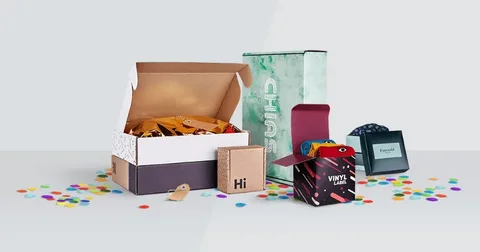

Packaging has shifted far beyond its original purpose of simply protecting goods. Today, it plays a key role in communication, logistics, and consumer perception. One of the most widely used formats across retail, e-commerce, and manufacturing is the print box. Businesses searching for a print box Manchester solution are often trying to understand how printed packaging fits into branding, compliance, and product experience.
A print box is essentially a packaging container that includes printed information, graphics, or branding elements directly on its surface. This can range from simple product details to highly structured visual identities used by global retailers. In the UK, demand for printed packaging continues to grow as businesses try to balance practicality with presentation, especially in competitive sectors like food delivery, cosmetics, and online retail.
Understanding how print boxes are designed, produced, and used provides valuable insight into modern supply chains and packaging strategy.
What is a print box and how it supports packaging design
A print box refers to any cardboard or paper-based box that carries printed content on its surface. Unlike plain packaging, it serves both functional and informational purposes. The printing may include logos, product instructions, barcodes, safety warnings, or decorative artwork.
From a design perspective, print boxes act as a bridge between product and consumer. They help brands communicate identity while also ensuring the product is clearly identified and handled correctly during transportation. In industries such as food and pharmaceuticals, printed information is not optional—it is a regulatory requirement.
Designers also consider how ink interacts with different materials. For example, kraft board produces a more muted, natural print finish, while coated cardboard allows sharper, high-resolution imagery. This balance between material and print quality influences both cost and appearance.
In practice, companies often test multiple prototypes before finalizing a design, ensuring readability, durability, and visual clarity across different lighting and storage conditions.
print box Manchester in the UK packaging ecosystem
In the UK, regional manufacturing hubs play a significant role in packaging supply chains. Manchester, in particular, has developed a strong ecosystem of printing and packaging services due to its industrial history and logistics connectivity. When discussing print box Manchester, it generally refers to businesses and production facilities in the region that specialize in printed packaging solutions for local and national clients.
Companies like customboxpackaginglabels operate within this broader network, contributing to demand for tailored packaging used across retail, hospitality, and e-commerce sectors. The Manchester area benefits from proximity to distribution routes, making it a practical location for fast-moving packaging requirements.
What sets the region apart is its adaptability. Smaller production runs for startups sit alongside large-scale manufacturing for established brands. This flexibility has become increasingly important as businesses move toward short-run, seasonal, and customized packaging.
Additionally, Manchester’s packaging sector often collaborates with designers, marketers, and logistics professionals, ensuring that printed boxes are not just functional but aligned with broader brand strategy and supply chain efficiency.
Materials and printing techniques used in box production
The effectiveness of a print box depends heavily on the materials and printing methods used. Most boxes are made from corrugated board, folding carton, or solid paperboard, each chosen based on weight, durability, and presentation requirements.
Corrugated board is commonly used for shipping boxes due to its strength and shock resistance. Folding cartons, on the other hand, are more common in retail environments where presentation is critical. Paperboard offers a smoother surface, allowing for higher-quality print reproduction.
Printing techniques vary depending on volume and detail. Lithographic printing is widely used for high-quality, large-scale production due to its precision and color accuracy. Digital printing has gained popularity for short runs and customized packaging because it allows faster turnaround and lower setup costs. Flexographic printing is often used for bulk packaging where speed is prioritized over fine detail.
Ink selection also plays a role. Water-based inks are increasingly favored for their reduced environmental impact, while UV inks offer durability and resistance to fading. The choice of technique ultimately depends on budget, design complexity, and intended use of the packaging.
How businesses choose the right print box for products
Selecting the right print box involves more than choosing a size or material. Businesses must consider product weight, transportation conditions, customer experience, and regulatory requirements. For example, a fragile product may require reinforced corrugated packaging with protective internal design, while a cosmetic product may prioritize visual appeal and tactile finish.
Cost efficiency is also a major factor. Companies often balance print quality with production volume, opting for simpler designs at scale or more detailed finishes for premium product lines. Another consideration is supply chain compatibility—boxes must fit pallet systems, warehouse shelving, and courier standards.
Design consistency is equally important. A print box often becomes part of a brand’s identity system, meaning colors, typography, and layout must remain consistent across different product lines. This consistency helps consumers recognize products quickly in both physical stores and online listings.
Market trends also influence decision-making. Many UK businesses are shifting toward minimalistic designs that reduce ink usage while maintaining clarity and brand recognition. This approach often aligns with cost reduction and sustainability goals.
Sustainability and evolving trends in printed packaging
Sustainability has become a central focus in packaging development. Businesses are increasingly expected to reduce waste, use recyclable materials, and adopt environmentally responsible printing methods. As a result, print box design has evolved significantly over the past decade.
Recycled cardboard is now widely used, and many companies are moving toward biodegradable inks and water-based coatings. These changes reduce environmental impact while still maintaining acceptable print quality for commercial use.
Another emerging trend is “right-sizing,” where packaging is designed to closely match product dimensions. This reduces material waste and lowers shipping emissions. It also improves logistics efficiency by allowing more products to be transported in a single shipment.
Digital printing has further supported sustainability by reducing setup waste and enabling short production runs without excess inventory. This is particularly useful for seasonal products or limited-edition packaging campaigns.
Consumer expectations are also shaping the industry. Many buyers now associate sustainable packaging with product quality and ethical responsibility, influencing purchasing decisions across multiple sectors.
Conclusion
Printed packaging continues to play a critical role in how products are presented, protected, and perceived across industries. From material selection to printing methods, each decision influences both function and communication. The development of print box Manchester services highlights how regional manufacturing supports wider UK supply chains while adapting to modern demands such as customization and sustainability. As businesses continue refining their packaging strategies, the role of the print box will remain central to both operational efficiency and product presentation in an increasingly competitive market.


