

As electricity prices continue to increase and more households seek energy independence, solar energy has become one of the most popular investments in Pakistan. However, many homeowners are still confused about the solar system price in pakistan and the factors that influence the overall cost. Understanding how solar pricing works can help you make a smarter investment and maximize long-term savings.
Why Solar Energy Is Growing Rapidly in Pakistan
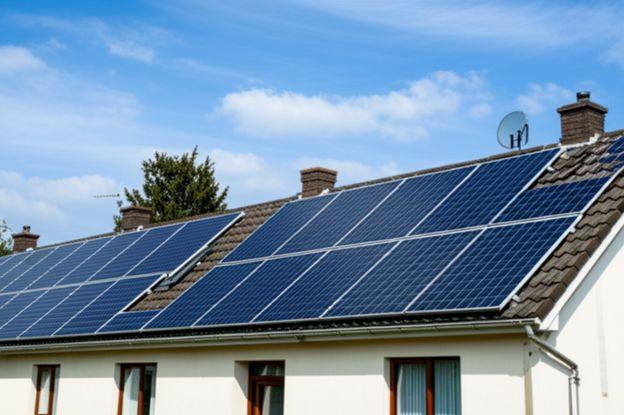
Pakistan receives abundant sunlight throughout the year, making solar power a practical and cost-effective energy solution. Rising electricity tariffs and frequent power shortages have encouraged homeowners and businesses to switch to solar systems to reduce their reliance on the national grid.
For more information, visit here: https://alphasolar.com.pk/
With advances in solar technology and improved net metering policies, investing in solar energy has become more attractive than ever before.
Understanding solar system price in pakistan
The solar system price in pakistan depends on several factors, including system size, solar panel quality, inverter type, battery storage, and installation costs. There is no single price because every home has different electricity requirements and energy consumption patterns.
Smaller systems are generally suitable for basic household needs, while larger systems are designed for homes with heavy electricity usage, including air conditioners and multiple appliances.
Factors That Affect Solar System Costs
One of the biggest factors affecting the solar system price in pakistan is system capacity. A larger system requires more solar panels, a bigger inverter, and additional installation materials, which increases the total cost.
The type of inverter also plays an important role. On-grid inverters are usually more affordable because they operate without batteries. Hybrid inverters cost more but provide backup power during outages and support battery storage.
Solar panel quality is another key factor. Premium Tier-1 brands offer higher efficiency and longer warranties, making them more expensive than lower-quality alternatives.
Comparing On-Grid, Hybrid, and Off-Grid Systems
On-grid systems are the most affordable option and are ideal for homeowners who want to reduce electricity bills through net metering. These systems remain connected to the utility grid and do not require batteries.
Hybrid systems combine solar generation with battery storage, allowing homeowners to use stored energy during load shedding or at night. While more expensive, they offer greater flexibility and energy security.
Off-grid systems operate independently of the national grid and rely entirely on solar panels and batteries. These systems are typically used in remote locations where grid electricity is unavailable.
The Role of Solar Panels and Inverters
Solar panels generate electricity from sunlight, while the inverter converts that electricity into usable power for your home. Both components significantly affect system performance and cost.
Investing in high-quality panels and a reliable inverter often results in better efficiency, lower maintenance requirements, and greater long-term savings. While premium equipment costs more initially, it usually delivers better value over the lifespan of the system.
Installation Costs and Why They Matter
Installation is a critical part of any solar project. Proper mounting structures, wiring, safety equipment, and professional labor all contribute to the final system cost.
A poorly installed system can reduce energy production and lead to maintenance issues. Choosing an experienced installer ensures that your system operates efficiently and achieves the expected return on investment.
Net Metering and Additional Savings
Net metering allows homeowners to export excess solar energy to the national grid and receive credits on their electricity bills. This feature significantly improves the financial benefits of solar energy.
By generating more electricity than you consume during daylight hours, you can further reduce your monthly energy expenses and increase the overall value of your solar investment.
Is the Investment Worth It?
For most homeowners, the answer is yes. Although the initial solar system price in pakistan may seem substantial, the long-term savings often outweigh the upfront cost. Many systems pay for themselves within a few years through reduced electricity bills.
After the payback period, homeowners continue enjoying low-cost electricity for the remaining lifespan of the system, which can exceed 25 years with proper maintenance.
Tips for Choosing the Right Solar System
Before investing, calculate your average monthly electricity consumption and choose a system that matches your energy needs. Avoid selecting a system that is too small or unnecessarily large.
Compare multiple quotations, verify equipment warranties, and work with reputable installers. Focusing on quality and long-term performance rather than the lowest price often leads to better results.
Conclusion
Understanding the solar system price in pakistan is essential for anyone considering solar energy in 2026. Costs vary depending on system size, equipment quality, and installation requirements, but solar remains one of the most effective ways to reduce electricity bills and achieve energy independence.
By choosing the right system, investing in reliable components, and working with experienced professionals, homeowners can enjoy decades of clean energy, lower utility costs, and excellent long-term value.


