


How DevOps Transformation Services Support Digital Growth
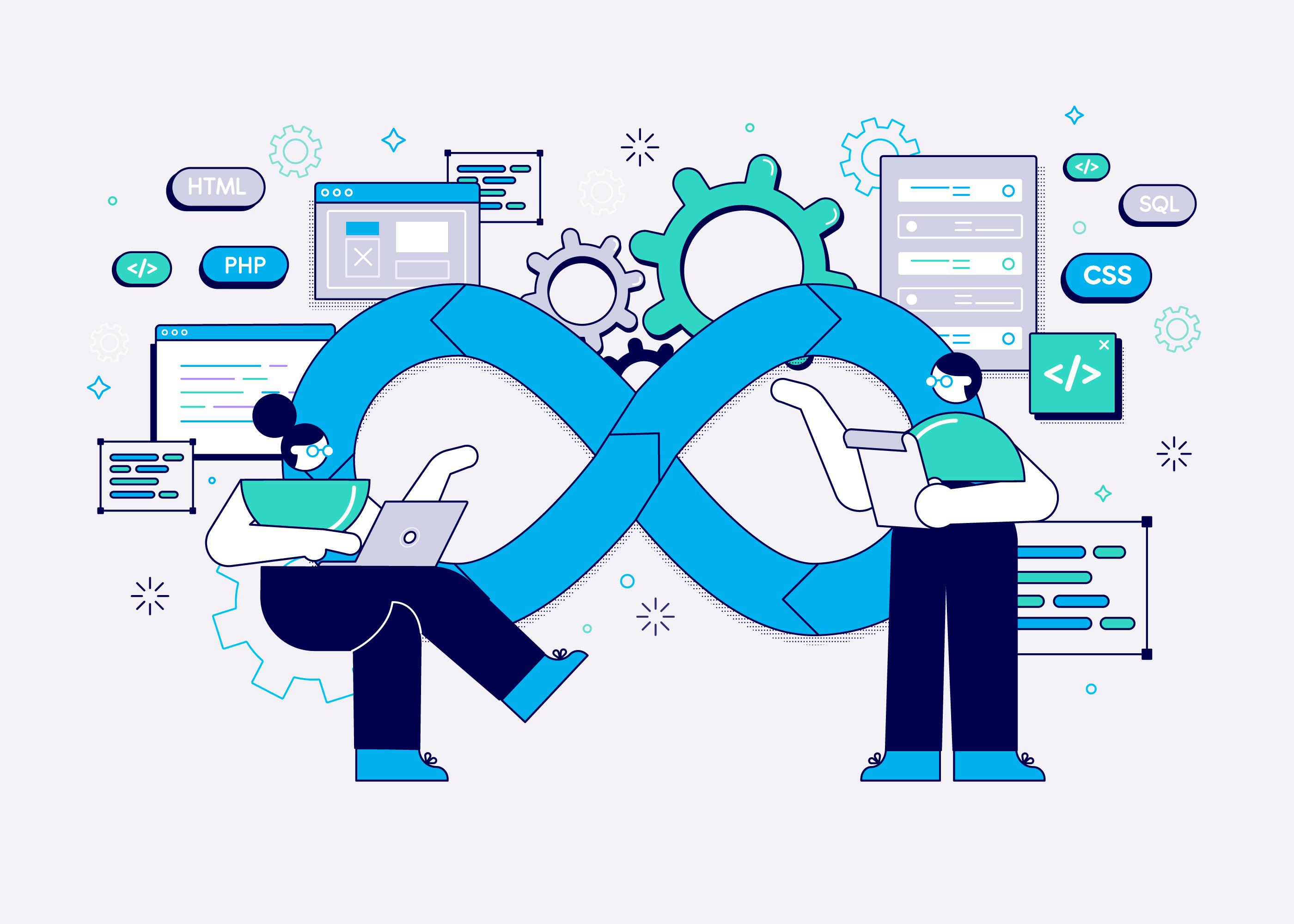
Businesses that want to grow cannot depend on old ways of working anymore. Success is no longer only about selling good products at the right price. Companies now compete through speed, innovation, better customer experiences, and the ability to quickly adapt to change. Businesses that still use outdated systems often face delays, communication problems, and slow software releases that can stop growth and make it difficult to meet customer expectations.
To stay ahead, organizations need smarter and faster ways to work. They need systems that improve teamwork, automate repetitive tasks, and help employees deliver better results in less time. This is where devops transformation services help businesses build a strong foundation for long-term success. By creating a connected and efficient work environment, companies can react quickly to customer needs and confidently grow in a fast-changing digital world.
Why Digital Growth Matters More Than Ever
Digital growth is no longer an option. It has become a necessity for businesses of every size.
Customers expect websites, applications, and online services to work smoothly every day. Even a small delay can affect customer satisfaction and brand trust.
Businesses that invest in digital improvements can:
-
Launch products faster
-
Improve customer experiences
-
Increase productivity
-
Reduce operational risks
-
Strengthen security
-
Adapt quickly to changing markets
Organizations that fail to modernize may struggle to compete with companies that are already using advanced technologies.
Digital growth is about building systems that can support future expansion without creating unnecessary complexity.
Understanding the Role of DevOps
DevOps is a way of working that brings development teams and operations teams together.
Instead of working separately, both teams collaborate throughout the entire software lifecycle.
The goal is simple: build, test, release, and maintain software more efficiently.
DevOps encourages automation, transparency, and continuous improvement.
When teams work together, businesses can eliminate many of the delays that slow down projects.
This approach helps organizations deliver updates faster while maintaining quality and reliability.
Common Challenges Businesses Face Without DevOps
Many organizations experience similar problems when using traditional processes.
Slow Software Releases
Projects often move slowly because teams work independently.
Developers create software while operations teams manage deployment later. This separation creates delays and misunderstandings.
Communication Gaps
Poor communication can lead to repeated errors and missed deadlines.
When teams are disconnected, projects become harder to manage.
Increased Human Errors
Manual tasks increase the risk of mistakes.
Errors during deployment can cause system failures and service interruptions.
Difficulty Scaling Operations
As businesses grow, managing larger workloads becomes more challenging.
Old systems often cannot support increasing demands.
Security Vulnerabilities
Security is sometimes addressed too late in the process.
This can expose businesses to unnecessary risks.
These challenges can slow down growth and reduce overall efficiency.
How Modern Transformation Supports Business Growth
Businesses need strategies that improve every stage of digital operations.
Transformation focuses on creating smoother workflows, reducing bottlenecks, and improving team collaboration.
Instead of fixing problems after they happen, organizations build systems that prevent issues before they occur.
This proactive approach allows companies to:
-
Deliver projects faster
-
Improve software quality
-
Increase customer satisfaction
-
Reduce costs
-
Strengthen reliability
Companies become more agile and prepared for future opportunities.
Building Strong Collaboration Between Teams
Successful businesses depend on teamwork.
Development and operations teams often have different responsibilities, but their goals should be aligned.
Strong collaboration creates several advantages.
Faster Decision Making
Teams can identify problems quickly and solve them together.
This reduces delays and improves efficiency.
Shared Responsibilities
Everyone becomes responsible for the success of a project.
This creates accountability and stronger teamwork.
Better Communication
Open communication helps prevent misunderstandings.
Teams can work toward common goals more effectively.
Healthy collaboration creates a culture of continuous improvement.
The Importance of Automation
Automation is one of the biggest drivers of digital growth.
Many repetitive tasks consume valuable time and resources.
Automation helps businesses complete these tasks faster and with fewer mistakes.
Tasks that can be automated include:
-
Software testing
-
Code integration
-
System monitoring
-
Application deployment
-
Performance tracking
Employees can then focus on more valuable activities such as innovation and strategic planning.
Automation also improves consistency across projects.
Accelerating Product Delivery
Customers expect businesses to innovate quickly.
Long development cycles can create frustration and lost opportunities.
Organizations using devops transformation services can shorten the time needed to release products and updates.
Faster delivery allows businesses to:
-
Respond quickly to customer feedback
-
Launch new features regularly
-
Stay ahead of competitors
-
Adapt to market changes
Speed has become a major competitive advantage in today's digital economy.
Businesses that move faster often gain stronger customer loyalty.
Improving System Reliability
Customers expect online services to work without interruptions.
System failures can damage brand reputation and reduce customer confidence.
Reliable systems are essential for business success.
Companies can improve reliability by:
Monitoring Performance Continuously
Monitoring tools identify issues before customers notice them.
Early detection reduces downtime.
Testing Regularly
Frequent testing helps identify bugs and vulnerabilities.
Problems can be resolved before deployment.
Creating Backup Plans
Disaster recovery strategies help businesses recover quickly from unexpected events.
Reliable systems build trust with customers.
Supporting Cloud Adoption
Cloud technology has changed how businesses operate.
Cloud platforms provide flexibility and scalability that traditional infrastructure cannot always deliver.
Organizations can use cloud solutions to:
-
Reduce hardware costs
-
Increase accessibility
-
Improve collaboration
-
Expand resources easily
-
Support remote teams
Cloud environments also make it easier to manage growing workloads.
Businesses can scale up or down based on their needs.
This flexibility supports sustainable growth.
Strengthening Cybersecurity
Cyber threats continue to evolve every year.
Businesses must protect sensitive information and maintain customer trust.
Security should be integrated into every stage of digital operations.
Organizations using devops transformation services can build stronger security practices from the beginning.
Effective security strategies include:
Automated Security Checks
Systems can identify vulnerabilities early.
This reduces risks before deployment.
Access Management
Only authorized users can access important systems.
This limits potential threats.
Continuous Monitoring
Real-time monitoring helps detect suspicious activities quickly.
Fast responses reduce damage.
Strong security protects both businesses and customers.
Making Better Use of Data
Data has become one of the most valuable business assets.
Organizations collect large amounts of information every day.
The challenge is using that information effectively.
Businesses can use data to:
-
Understand customer behavior
-
Predict future trends
-
Improve operations
-
Make informed decisions
-
Identify growth opportunities
Data-driven decisions reduce guesswork and improve outcomes.
Companies can plan more effectively for the future.
Supporting Business Scalability
Growth often creates new challenges.
Businesses may experience higher website traffic, larger customer bases, and increased workloads.
Without proper systems, growth can become difficult to manage.
Scalable processes allow businesses to expand smoothly.
Scalability helps organizations:
-
Handle larger workloads
-
Support more users
-
Improve performance
-
Reduce downtime
-
Prepare for future expansion
Strong foundations make long-term growth easier to achieve.
Enhancing Customer Experience
Customers expect fast and reliable digital experiences.
Poor performance can drive customers away.
Businesses that prioritize customer experience often achieve stronger results.
Improved customer experiences include:
Faster Websites
Customers prefer websites that load quickly.
Slow pages increase bounce rates.
Reliable Applications
Applications should work consistently without crashes.
Reliability improves customer confidence.
Regular Updates
Businesses can continuously improve products based on customer feedback.
Customers appreciate ongoing improvements.
Positive experiences encourage repeat business.
Encouraging Innovation Across the Organization
Innovation is essential for staying competitive.
Employees need time and resources to explore new ideas.
Automation and improved workflows create opportunities for innovation.
Businesses can:
-
Experiment with new technologies
-
Test creative solutions
-
Improve internal processes
-
Launch new products faster
Innovation becomes part of the company culture.
Organizations that embrace change often achieve stronger growth.
Reducing Operational Costs
Inefficient processes can increase expenses.
Manual tasks consume time and require additional resources.
Modern strategies help businesses optimize operations and reduce unnecessary costs.
Cost-saving benefits include:
-
Less downtime
-
Fewer deployment errors
-
Reduced manual work
-
Improved resource management
-
Faster project completion
Savings can be reinvested into future growth initiatives.
Efficient businesses operate more profitably.
Creating a Future-Ready Business
Technology continues to evolve at a rapid pace.
Businesses must prepare for future changes rather than reacting to them.
Future-ready organizations invest in flexibility and continuous improvement.
Key characteristics include:
Adaptability
Businesses can respond quickly to new opportunities.
Agility
Teams can make changes without major disruptions.
Resilience
Organizations can recover faster from unexpected challenges.
Continuous Learning
Employees stay updated with modern practices and technologies.
Future-ready businesses are better equipped to handle uncertainty.
Choosing the Right Strategy
Every business has unique goals and challenges.
There is no single approach that works for everyone.
Organizations should evaluate:
-
Current workflows
-
Existing technologies
-
Team collaboration
-
Security needs
-
Growth objectives
Creating a clear strategy helps businesses achieve better results.
Working with experienced professionals can also simplify the transformation process.
Businesses can avoid common mistakes and accelerate progress.
Conclusion
Digital growth requires more than simply adopting new technology. It requires building smarter systems, improving teamwork, and creating processes that support long-term success.
Businesses that embrace devops transformation services gain the ability to innovate faster, strengthen security, improve customer experiences, and scale with confidence.
Companies that invest in modern practices today will be better prepared for tomorrow's challenges.
If your organization is ready to build efficient, secure, and scalable digital operations, explore professional solutions from Tambena Consulting and discover how devops transformation services can help your business grow with confidence.

 English
 Arabic
 French
 Portuguese
 Deutsch
 Turkish
 Dutch
Dutch
 Italiano
 Russian
 Romaian
 Portuguese (Brazil)
 Greek
Greek