

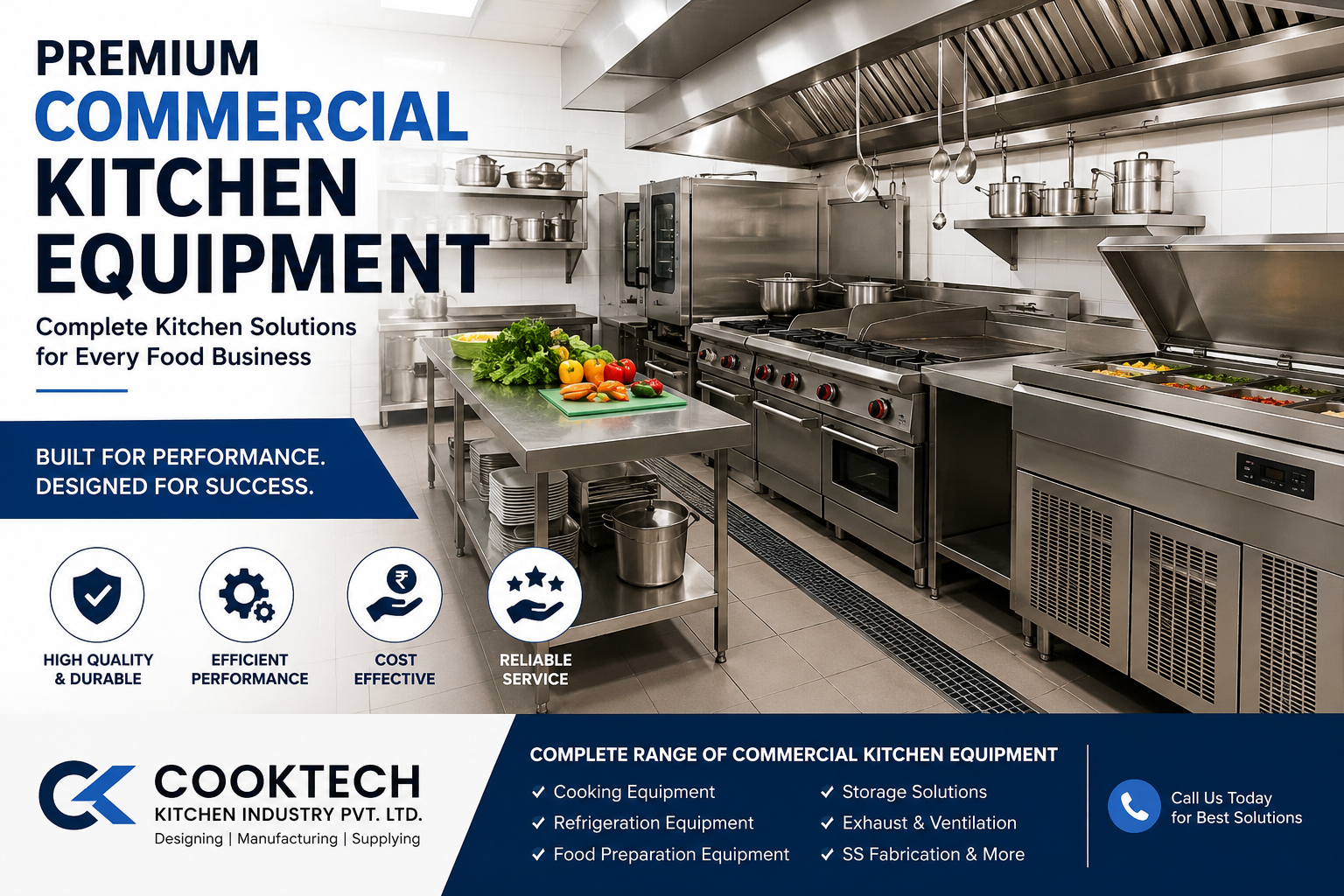
Commercial Kitchen Equipment Maintenance Tips to Improve Performance and Extend Equipment Life

Commercial kitchen equipment represents one of the largest capital investments a restaurant makes, yet maintenance is often the first thing to get pushed aside during a busy service. The problem is that neglected equipment doesn't just break down more often, it also runs less efficiently, drives up utility bills, and can create food safety risks long before it fails completely.
A solid maintenance routine doesn't need to be complicated. It just needs to be consistent. Here's how to keep your equipment running longer, performing better, and costing you less over time.
1. Build a Maintenance Schedule and Stick to It
The single biggest maintenance mistake kitchens make is reactive maintenance — waiting until something breaks to address it. A proactive schedule catches small issues before they become expensive repairs or full replacements.
Break your schedule into three tiers:
- Daily tasks: cleaning, wiping down surfaces, checking for obvious issues
- Weekly/monthly tasks: deeper cleaning, filter checks, gasket inspections
- Quarterly/annual tasks: professional servicing, calibration, and safety inspections
Assign responsibility clearly. Equipment maintenance that's "everyone's job" often becomes no one's job. Consider a maintenance log, whether digital or on paper, so staff can track what's been done and flag issues for management.
2. Clean Equipment Daily, Not Just When It Looks Dirty
Grease, food residue, and mineral buildup don't just look bad, they actively degrade equipment performance. Buildup on heating elements forces equipment to work harder to reach the same temperature, increasing energy use and wear.
Daily cleaning priorities:
- Wipe down cooking surfaces after every shift
- Empty and clean fryer baskets and screens
- Clear ventilation hood filters of visible grease
- Wipe refrigeration door gaskets to maintain a proper seal
Skipping daily cleaning is one of the fastest ways to shorten equipment lifespan, even on high-quality machines.
3. Prioritize Refrigeration Maintenance
Refrigeration failures are among the most costly equipment problems a kitchen can face, both in lost inventory and potential health code violations. A few simple habits go a long way:
- Clean condenser coils monthly to prevent dust and grease buildup, which forces the compressor to work harder
- Check door seals and gaskets regularly; a compromised seal can spike energy use significantly
- Monitor temperatures daily with a reliable thermometer, not just the built-in display
- Avoid overloading units, since blocked airflow reduces cooling efficiency
Small issues like a slightly warped gasket often go unnoticed until they cause a bigger failure, so regular visual inspection matters.
4. Don't Neglect Ventilation Systems
Exhaust hoods and ventilation systems require regular attention, both for equipment performance and fire safety. Grease buildup in hoods and ductwork is a leading cause of commercial kitchen fires.
- Clean hood filters at least weekly, more often in high-volume fryer or grill stations
- Schedule professional deep cleaning of ductwork on a regular basis, as required by local fire codes
- Check that fans are running at proper speed and aren't obstructed
5. Service Fryers Regularly to Extend Oil and Equipment Life
Fryers take a beating in daily service, and proper maintenance affects both equipment longevity and food quality.
- Filter oil daily to remove food particles that accelerate oil breakdown
- Boil out fryers periodically to remove carbon buildup on heating elements
- Check thermostats periodically for accuracy, since a miscalibrated fryer wastes oil and energy while producing inconsistent food
- Replace worn heating elements promptly rather than letting them limp along inefficiently
6. Inspect Gas and Electrical Connections
Loose or worn connections aren't just an efficiency issue, they're a safety hazard. Periodically check:
- Gas lines for leaks (a simple soap-water test on connections can reveal small leaks)
- Electrical cords and connections for fraying or damage
- Pilot lights and ignition systems on gas equipment for proper function
Any signs of gas odor, unusual electrical behavior, or scorching should be treated as urgent and addressed by a qualified technician immediately.
7. Schedule Professional Preventive Maintenance
While daily and weekly tasks can be handled by kitchen staff, some maintenance requires a trained technician. Annual or semi-annual professional servicing typically includes:
- Calibrating thermostats and temperature controls
- Inspecting internal components not visible during routine cleaning
- Checking refrigerant levels in refrigeration units
- Testing safety mechanisms on equipment like fryers and ovens
Many manufacturers offer maintenance plans, and following their recommended service intervals also helps keep warranties valid.
8. Train Staff Properly on Equipment Use
A significant amount of equipment damage comes not from age, but from improper use. Slamming oven doors, overloading mixers, using the wrong cleaning chemicals, or ignoring warning signals can all shorten equipment life dramatically.
- Provide hands-on training for new staff on each major piece of equipment
- Post quick-reference guides near equipment for proper operating procedures
- Encourage staff to report unusual noises, smells, or performance issues immediately rather than working around them
A well-trained team is one of the most effective maintenance tools a kitchen has, and it costs nothing but time.
9. Keep an Eye on Water Quality
Hard water can cause significant buildup in equipment like ice machines, steamers, and combi ovens, reducing efficiency and shortening lifespan. If your kitchen is in an area with hard water:
- Install water filtration or softening systems where recommended by equipment manufacturers
- Descale equipment on the schedule recommended by the manufacturer
- Watch for reduced ice production or slower steaming as early signs of mineral buildup
10. Keep Manufacturer Manuals and Maintenance Records Accessible
It sounds simple, but many kitchens lose track of manuals, warranty information, and service history over time. Keeping this organized, whether in a physical binder or a digital folder, pays off when:
- Troubleshooting an issue that requires manufacturer-specific guidance
- Filing a warranty claim
- Deciding whether to repair or replace aging equipment based on service history
11. Know When to Repair vs. Replace
Not every piece of equipment is worth fixing indefinitely. As equipment ages, repair costs tend to increase while reliability decreases. A general rule of thumb: if repair costs exceed 50% of replacement cost, or if a piece of equipment has needed frequent repairs in a short period, it may be more economical to replace it, especially with newer, more energy-efficient models.
Final Thoughts
Consistent, proactive maintenance is one of the most cost-effective investments a restaurant can make. It reduces unexpected breakdowns, keeps energy costs in check, protects food safety, and extends the usable life of Commercial Kitchen Equipment in noida that often represents tens of thousands of dollars in capital investment. Building simple daily habits, combined with regular professional servicing, will keep your kitchen running smoothly and help you get the most value out of every piece of equipment you own.


