

Halal Product Certification USA: The Complete Guide for Manufacturers and Businesses
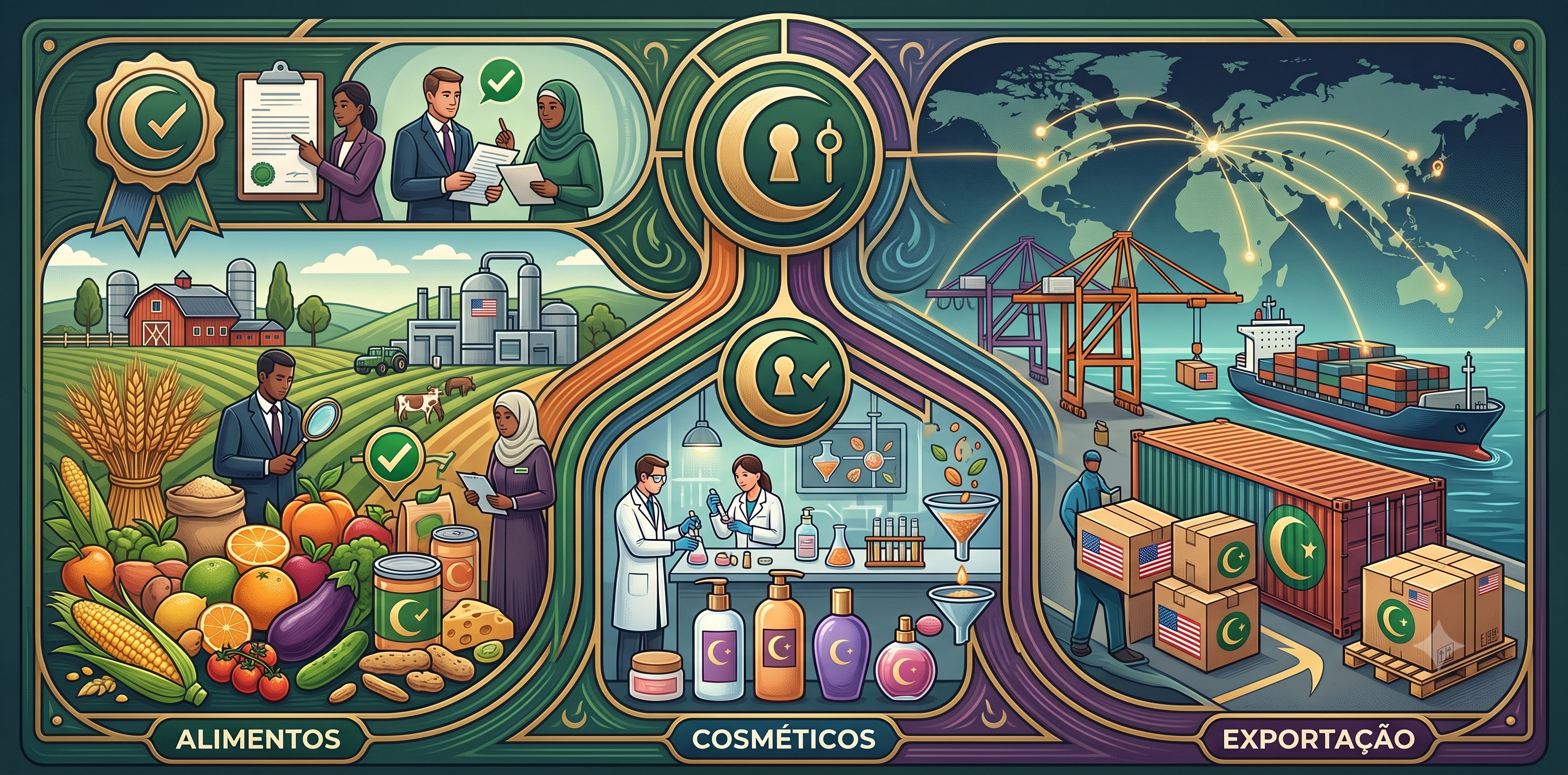
The global marketplace for certified products is undergoing a profound transformation. Moving far beyond traditional consumer sectors, the demand for ethically processed, clean-label goods has created a multi-trillion-dollar industry. For manufacturers operating within the United States, securing a Halal product certification in the USA has evolved from catering to a niche demographic into a powerful strategy for broad market expansion and international trade.
Understanding Halal Product Certification
Halal product certification is a comprehensive verification system where an independent, qualified Islamic organization evaluates a business’s operational procedures, ingredients, and facilities. "Halal" signifies anything that is permissible or lawful under Islamic law.
While many people associate the term exclusively with dietary meat items, standard product certification covers an expansive array of consumer goods:
-
Cosmetics & Personal Care: Lipsticks, creams, lotions, and soaps free from animal-derived collagen or alcohol.
-
Pharmaceuticals & Supplements: Gelatin-free capsules, vitamins, and binders.
-
Consumer Packaged Goods (CPG): Processed snacks, beverages, and enzymes.
-
Packaging Materials: Food-grade plastics and liners manufactured without porcine processing aids.
The certification serves as an absolute guarantee that the item is clean, untainted by prohibited elements (Haram), and produced under stringent hygienic conditions.
The Strategic Power of Certification for US Brands
Investing in independent third-party verification provides businesses with distinct market advantages:
-
Capturing Domestic Buying Power: The Muslim population in the United States is expanding rapidly and possesses a high percentage of disposable household income. These consumers deliberately look for trusted verification marks on everyday consumer products before completing a purchase.
-
The Wellness and Ethical Intersection: Modern consumer trends favor transparency, sustainability, and clean sourcing. Because the compliance process requires comprehensive ingredient tracing, it attracts health-conscious, vegan, and organic buyers who view the certificate as an added badge of quality assurance.
-
Mainstream Retail Integration: Major grocery chains, pharmaceutical retailers, and online e-commerce platforms across North America are allocating dedicated shelf space to verified portfolios.
Crucial Pillars of the Audit Process
To qualify for approval, a manufacturing plant must meet strict compliance markers across its entire production system. Auditors generally isolate their evaluations into three core categories:
1. Master Ingredient Traceability
Every single component listed on your material safety data sheets must be evaluated back to its base origin. Hidden stabilizers, emulsifiers, enzymes, or flavoring agents carried in an alcohol base can compromise a product's compliance status.
2. Operational Segregation
Cross-contamination is a primary area of risk in shared manufacturing facilities. Plants must implement strict physical segregation protocols. This includes dedicated production cycles, isolated raw material storage racks, and independently validated cleaning processes using approved sanitation solutions.
3. Supply Chain Integrity
From the moment raw components arrive at your loading dock to the final wrapping of shipping pallets, the path must be completely traceable. Modern supply chains are even adopting technologies like digital tracking logs to secure end-to-end verification.
Step-by-Step Onboarding and Compliance Sequence
Attaining certification is a structured process designed to build operational excellence. United States businesses looking to integrate these standards follow a definitive sequence:
Frequently Asked Questions (FAQs)
Does the US government regulate Halal product certification?
No, the United States government does not manage, audit, or issue Halal certificates. The ecosystem is entirely supervised by independent, private third-party certification bodies that establish robust criteria and verify facilities using standardized global benchmarks.
Is certification only required for food items?
No. Non-food categories like cosmetics, personal care products, pharmaceuticals, over-the-counter vitamins, and specialized medical devices heavily utilize certification to prove their products contain no prohibited animal fats, alcohols, or cross-contaminants.
How does a plant manage a facility that handles both certified and non-certified goods?
Co-manufacturing is completely permissible as long as strict, verifiable segregation is maintained. This involves isolated raw material storage, distinct batch production schedules, and highly regulated, deep chemical sanitation procedures between manufacturing runs.
For how long is a product certificate valid?
Most standard industrial and consumer product certifications are active for a period of one year. To maintain compliant status, companies undergo a recurring annual evaluation and facility inspection to verify that raw material suppliers or processing guidelines haven't shifted.


