

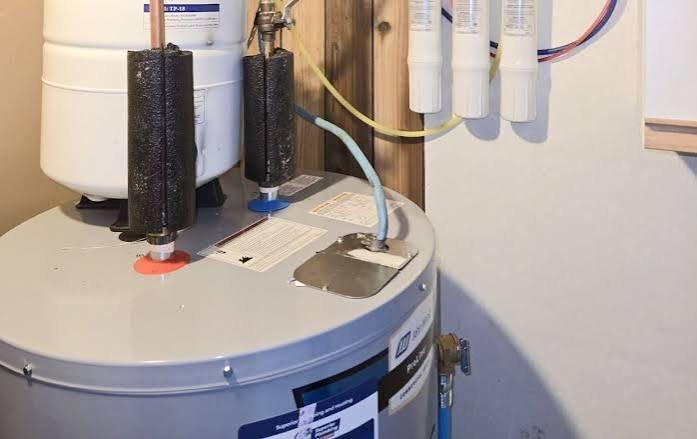
A reliable hot water system is essential for every home, making water heater repair and installation an important topic for homeowners. Whether you need to solve common water heater problems, improve efficiency, or understand when replacement is the better option, learning the basics helps you make informed decisions. This guide explains what, why, when, and how to keep your water heater operating safely while reducing energy costs.
Water Heater Repair and Installation Services Explained
Every home depends on hot water for cooking, bathing, cleaning, and laundry. A properly maintained water heater delivers reliable performance throughout the year. Understanding how repair and installation services work allows homeowners to recognize problems early and avoid expensive emergencies.
Professional technicians inspect every component before recommending repairs or replacement. Their goal is to restore efficiency, improve safety, and extend the lifespan of the equipment whenever possible.
What Is Water Heater Repair
Water heater repair involves diagnosing and fixing problems that reduce performance or prevent the system from producing hot water.
Common repair tasks include:
- Replacing faulty thermostats
- Repairing heating elements
- Fixing leaking valves
- Replacing pressure relief valves
- Repairing damaged pipes
- Removing sediment buildup
- Replacing worn electrical components
- Repairing gas burner assemblies
Timely repairs often restore normal performance while preventing additional damage.
What Is Water Heater Installation
Installation includes removing an old unit and connecting a new system according to local building codes.
A proper installation normally includes:
- Selecting the correct tank size
- Checking water pressure
- Installing safety valves
- Connecting gas or electrical supplies
- Testing water temperature
- Inspecting venting systems
- Checking for leaks
- Verifying efficient operation
Professional installation ensures reliable performance and improves equipment lifespan.
Why Water Heater Maintenance Matters
Routine maintenance protects your investment while improving energy efficiency.
Benefits include:
- Lower utility bills
- Faster water heating
- Reduced repair costs
- Better water quality
- Longer equipment lifespan
- Improved household safety
- Fewer emergency breakdowns
Preventive maintenance remains one of the most cost effective ways to protect a water heating system.
When Should You Repair Instead of Replace
Many homeowners struggle with deciding whether repair or replacement offers better value.
Repair is often the better choice when:
- The unit is relatively new
- Repairs are minor
- No major corrosion exists
- Energy efficiency remains acceptable
- The tank has no structural damage
Replacement becomes more practical when repair costs continue increasing year after year.
Common Signs Your Water Heater Needs Attention
Water heaters rarely fail without showing warning signs first. Learning these indicators helps homeowners respond before complete system failure occurs.
No Hot Water
One of the most obvious problems is the complete loss of hot water.
Possible causes include:
- Broken thermostat
- Failed heating element
- Gas supply interruption
- Electrical breaker issues
- Pilot light problems
Professional diagnosis identifies the exact cause quickly.
Water Temperature Changes Frequently
Water that suddenly becomes too hot or too cold usually indicates component failure.
Possible reasons include:
- Faulty thermostat
- Heating element damage
- Sediment buildup
- Electrical issues
Consistent temperatures indicate healthy system performance.
Water Heater Leaks
Leaks should never be ignored because they can damage floors, walls, and nearby equipment.
Leaks often originate from:
- Drain valve
- Pressure relief valve
- Pipe connections
- Tank corrosion
- Loose fittings
Early repairs usually prevent extensive water damage.
Strange Sounds During Operation
Popping, banging, or rumbling sounds often indicate sediment buildup inside the tank.
Minerals settle at the bottom where they harden over time. This reduces efficiency and forces the heater to work harder.
Annual flushing removes sediment and restores performance.
How Water Heater Repair Improves Efficiency
Repairing worn components helps restore heating efficiency while lowering operating costs.
Restores Proper Heating
New heating elements transfer heat more efficiently.
This reduces recovery time while maintaining steady water temperatures throughout the home.
Reduces Energy Consumption
Faulty thermostats often overheat water unnecessarily.
Replacing damaged controls helps reduce wasted electricity or gas.
Prevents Larger Problems
Small leaks eventually become expensive structural damage.
Early repairs stop problems before major components fail.
Extends Equipment Lifespan
Routine service allows technicians to replace small parts before they damage larger components.
Many water heaters operate efficiently for years longer with consistent maintenance.
How to Choose the Right Water Heater
Every household has different hot water needs.
Choosing the correct system depends on several factors.
Tank Size
Larger families usually require larger storage tanks.
Choosing the correct capacity prevents hot water shortages.
Energy Efficiency
Modern systems consume significantly less energy than older models.
Higher efficiency reduces monthly utility bills.
Fuel Type
Water heaters generally operate using:
- Electricity
- Natural gas
- Propane
Each fuel type offers different operating costs and installation requirements.
Installation Space
Available space influences which water heater design fits best.
Compact models work well for smaller utility rooms.
Tank Water Heater Vs Tankless Water Heater
Many homeowners compare traditional tanks with tankless systems before installation.
Traditional Tank Water Heater
Advantages include:
- Lower purchase cost
- Simple installation
- Reliable technology
- Easy maintenance
Disadvantages include:
- Limited hot water supply
- Higher standby energy loss
- Larger installation space
Tankless Water Heater
Advantages include:
- Endless hot water
- Higher efficiency
- Smaller size
- Longer lifespan
Disadvantages include:
- Higher installation cost
- More complex installation
- May require electrical upgrades
Choosing the best option depends on household demand and budget.
Water Heater Maintenance Tips Every Homeowner Should Know
Simple maintenance greatly improves system reliability.
Flush the Tank Annually
Flushing removes minerals that reduce heating efficiency.
Annual cleaning also reduces unusual noises.
Test the Pressure Relief Valve
The pressure relief valve protects against dangerous pressure buildup.
Testing it regularly improves safety.
Inspect Pipe Connections
Loose fittings eventually cause leaks.
Routine inspection catches small issues before they worsen.
Check the Thermostat
Correct thermostat settings improve comfort while reducing unnecessary energy use.
Around 120 degrees Fahrenheit works well for most homes.
Why Professional Installation Matters
Professional installation protects both your home and your investment.
Certified technicians understand local safety regulations and building codes.
Benefits include:
- Safe gas connections
- Correct electrical wiring
- Proper vent installation
- Leak prevention
- Better energy efficiency
- Manufacturer warranty protection
Improper installation often creates safety hazards while shortening equipment lifespan.
How Seasonal Maintenance Prevents Breakdowns
Changing seasons place additional demands on heating systems.
Before colder weather arrives:
- Inspect insulation
- Flush the tank
- Test safety controls
- Check venting
- Examine connections
- Verify thermostat operation
Preventive inspections reduce winter breakdowns.
How Heating Systems Work Together
Many homeowners rely on integrated home comfort systems where water heating supports overall efficiency.
Working with experienced heating contractor professionals ensures every component operates together efficiently.
Some service providers also inspect connected heating equipment while evaluating hot water systems.
Homeowners using hvac heating cooling mississauga on services often schedule complete seasonal inspections that include furnaces, water heaters, thermostats, and ventilation systems for maximum efficiency.
If additional heating issues are discovered, specialists offering furnace repair cooksville mississauga services can inspect furnace performance while ensuring the home's complete heating system operates safely throughout winter.
Many homeowners compare local service providers before scheduling work. Researching the top hvac companies ontario helps identify experienced professionals with strong customer satisfaction, certified technicians, and quality workmanship.
Frequently Asked Questions
What causes a water heater to stop working
Common causes include thermostat failure, damaged heating elements, electrical issues, gas supply problems, sediment buildup, or worn internal components.
How long does a water heater normally last
Most traditional storage water heaters last between eight and twelve years with proper maintenance. Tankless systems often last much longer.
How often should a water heater be serviced
Annual maintenance is recommended to improve efficiency, reduce repairs, and extend equipment lifespan.
Is repairing better than replacing
Repair is usually worthwhile when the unit is relatively new and repair costs remain reasonable. Older systems with repeated failures often benefit from replacement.
Can sediment damage a water heater
Yes. Sediment reduces efficiency, increases heating time, creates unusual noises, and shortens equipment lifespan if left untreated.
What temperature should a water heater be set to
Most experts recommend approximately 120 degrees Fahrenheit to balance comfort, efficiency, and household safety.
Is professional installation necessary
Professional installation ensures proper connections, safe operation, code compliance, and manufacturer warranty protection.
How can homeowners reduce repair costs
Regular inspections, annual flushing, early leak detection, and prompt repairs help prevent expensive breakdowns.
Final Verdict
Understanding water heater repair and installation helps homeowners protect one of the most important appliances in the home. Learning how water heaters work, recognizing early warning signs, performing simple maintenance, and choosing professional installation all contribute to better performance and lower operating costs. Whether repairing an existing unit or installing a new system, informed decisions improve efficiency, extend equipment lifespan, reduce unexpected repairs, and ensure a reliable supply of hot water for years to come.


