

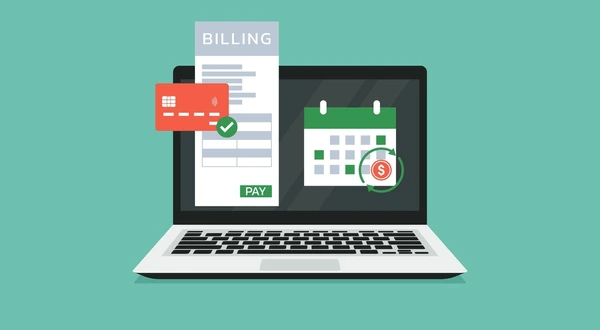
Automated Recurring Billing in 2026: The Solution for Late Payments, Revenue Gaps, and Billing Errors

One of the biggest challenges businesses face today is maintaining consistent cash flow. Late payments, forgotten invoices, and time-consuming billing processes can create unnecessary financial stress and slow business growth. In 2026, companies are looking for smarter ways to collect payments while improving the customer experience.
This is where automated recurring billing has become a valuable business solution. Instead of manually creating invoices and following up on overdue payments, businesses can automate the entire billing process. This not only saves time but also helps create predictable revenue and stronger customer relationships.
Whether you operate a subscription-based business, a membership organization, a professional service company, or an online platform, automated recurring billing can solve many common payment challenges.
What Is Automated Recurring Billing?
Automated recurring billing is a payment process that automatically charges customers on a predetermined schedule. After a customer authorizes a payment method, the billing system processes future payments according to the agreed billing cycle.
Payments can be scheduled weekly, monthly, quarterly, or annually depending on the business model. The system automatically generates payment records, processes transactions, and sends confirmations without requiring manual intervention.
This automation reduces administrative work and ensures payments are collected consistently.
Why Businesses Are Adopting Automated Recurring Billing in 2026
Business owners are under increasing pressure to improve efficiency while delivering a seamless customer experience.
Manual billing systems often create problems such as:
- Missed invoices
- Late customer payments
- Administrative delays
- Human billing errors
- Unpredictable revenue
Automated recurring billing eliminates many of these challenges by creating a structured and reliable payment process.
As customer expectations continue to evolve, businesses that offer convenient payment experiences are often better positioned to retain customers and increase lifetime value.
Common Business Problems Automated Recurring Billing Solves
Late Payments
Late payments can disrupt operations and create cash flow challenges.
With automated recurring billing, payments are collected automatically on scheduled dates, reducing the likelihood of missed or delayed transactions.
Time-Consuming Administrative Tasks
Many businesses spend hours every month generating invoices and tracking payments.
Automation removes these repetitive tasks and allows employees to focus on customer service, sales, and business growth.
Revenue Instability
Predictable revenue is essential for budgeting and planning.
Recurring billing creates a more stable income stream by ensuring regular payments are processed consistently.
Customer Forgetfulness
Customers may forget payment due dates or overlook invoices.
Automated payment scheduling helps customers stay current without needing reminders for every billing cycle.
Key Features of Automated Recurring Billing Systems
Scheduled Payment Processing
Businesses can establish customized billing schedules that align with their products and services.
The system automatically charges customers based on the selected timeframe.
Subscription Management
Modern platforms allow businesses to manage subscriptions, upgrades, downgrades, and renewals from a centralized dashboard.
Payment Notifications
Automated notifications keep customers informed about upcoming charges, successful transactions, and failed payments.
Secure Payment Storage
Billing systems use advanced encryption and security measures to protect customer payment information.
Reporting and Analytics
Detailed reporting tools provide insights into payment performance, customer retention, recurring revenue, and billing trends.
Benefits of Automated Recurring Billing
Improved Cash Flow
Consistent payment collection helps businesses maintain healthier cash flow and financial stability.
Better Customer Retention
A convenient payment experience reduces friction and encourages customers to maintain long-term relationships with the business.
Increased Operational Efficiency
Automated systems reduce manual workload and improve overall productivity.
Fewer Billing Errors
Automation minimizes the risk of duplicate invoices, incorrect charges, and missed payments.
Enhanced Customer Experience
Customers appreciate the simplicity of automatic payments, especially for ongoing services and memberships.
Industries That Benefit Most from Automated Recurring Billing
Many industries rely on recurring payments to generate revenue.
Common examples include:
- Subscription services
- Software companies
- Fitness centers
- Membership organizations
- Internet service providers
- Professional consulting firms
- Online education platforms
- Maintenance service companies
Any business with repeat customers can benefit from billing automation.
Best Practices for Successful Implementation
Choose a billing platform that integrates easily with your existing payment processing system.
Clearly explain billing terms before customers enroll in recurring payments.
Provide simple options for customers to update payment information.
Monitor failed transactions regularly and follow up when necessary.
Use customer communication tools to maintain transparency and trust throughout the billing relationship.
Trends Shaping Automated Recurring Billing in 2026
Artificial intelligence is helping businesses predict payment behavior and reduce failed transactions.
Cloud-based billing platforms continue to grow because they provide flexibility, scalability, and remote access.
Businesses are also integrating recurring billing with customer relationship management systems to create more personalized customer experiences.
Real-time payment processing is becoming more common, allowing businesses to access revenue faster than traditional settlement methods.
Additionally, mobile payment integration is improving convenience for customers who prefer managing subscriptions through smartphones and digital wallets.
How to Choose the Right Automated Recurring Billing Solution
When evaluating billing platforms, focus on features that directly support your business goals.
Important considerations include:
- Security and compliance standards
- Flexible billing schedules
- Subscription management capabilities
- Reporting tools
- Payment gateway integration
- Customer support quality
- Scalability for future growth
A reliable solution should simplify billing while supporting long-term business expansion.
Final Thoughts
Automated recurring billing has become one of the most effective ways for businesses to improve payment collection, strengthen cash flow, and reduce administrative work in 2026.
By eliminating manual billing tasks and creating a more convenient payment experience, businesses can focus on growth instead of chasing invoices. Whether you serve hundreds or thousands of customers, billing automation can help create a more predictable and efficient revenue model.
Companies that invest in modern recurring billing solutions today are better positioned to improve customer retention, increase operational efficiency, and build sustainable long-term growth.


