

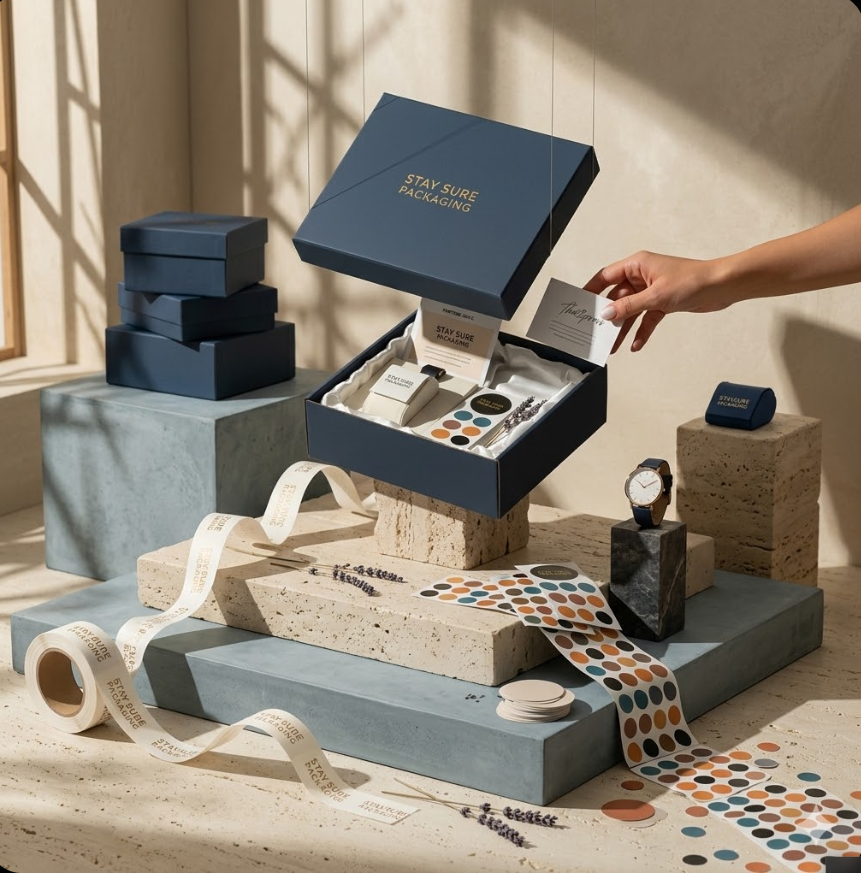

The bath and body market is waking up to how packaging speaks before the product does. Consumers notice texture, color, and the first impression of quality. Brands that pair strong visuals with sensible materials win trust and repeat purchases. It’s not just about looking good; it’s about telling a story that customers want to be part of.
As the shelves evolve, packaging becomes a quiet ambassador. It communicates care for the planet, a brand voice, and a sense of occasion. In 2026, the best packaging blends responsibility with a little theater—so buyers feel excited to unwrap and share their experience.
Sustainable and Responsible Materials
Bath bomb packaging boxes are evolving beyond simple wrappers. Recycled and recyclable options are now standard, not the exception. Brands that choose post-consumer materials cut waste and set a relatable example for customers. A simple swap to renewables or recycled fibers can make a noticeable difference in both cost and perception.
Compostable and plant-based materials gain traction when paired with clear disposal guidance. People want to know their purchase leaves no messy footprint. Minimalist packaging—think fewer layers and slimmer profiles—also reduces waste and lowers shipping shrink. Labeling that explains compostability and recyclability helps avoid confusion at the curb or in the store.
Legal and labeling considerations matter here. Claims like “recyclable” or “compostable” must be accurate and verifiable. Consumers appreciate transparency about sourcing, certifications, and end-of-life options. A straightforward, honest approach wins longer-term loyalty.
Bold Visual Narratives
Color choices matter. Seasonal palettes can mirror mood shifts or gift occasions, driving shelf impact without loud visuals. Subtle color psychology guides how buyers feel about a brand in an instant. Illustrations and storytelling on packaging breathe personality into the product. A tiny scene, a symbol, or a motif can spark curiosity and social shares.
Texture and finish choices influence touch as much as sight. Soft-touch coatings invite a premium feel. Foil stamping adds a hint of luxury, while embossing brings tactile depth that photographs well on social media. These elements help bath bombs feel special, even before the scent is revealed.
Consumer Convenience and Experience
Packaging should be easy to open. A simple pull tab or tear-strip saves frustration and protects the product. Portion-controlled designs help customers gauge value and reduce waste. Refillable and reusable concepts extend the life of the box and align with a growing desire to reduce single-use items.
Clear usage instructions and product stories matter. Quick-start tips and a line about the bath bomb’s sensory notes can set expectations. A small, well-placed story block about the brand or a hero ingredient makes the package feel personalized rather than mass-produced.
Personalization and Limited Editions
Customizable labels let buyers feel ownership. Even small touches, like naming a batch, add a sense of craft. Themed collections tied to occasions or holidays create naming opportunities and gift appeal. Limited editions spark urgency and social chatter when there’s a clear, stated run time.
Collaboration packaging with influencers or artists brings fresh visuals and cross-audience reach. A shared design can tell a story beyond the product, inviting fans to collect and share their experience. Limited runs make packaging a keepsake, not just a container.
Protection and Performance
Moisture barriers and scent retention technologies keep the bath bomb intact through transit. A sturdy inner sheet or humidity-resistant sleeve protects the aroma and texture until use. Tamper-evident elements must balance security with aesthetics so the package still feels premium.
Durability for shipping and handling matters. Crumple-resistant boards and robust corners prevent damage and losses. A well-built box reduces returns and keeps the unboxing moment feeling special.
Branding Across Channels
Packaging should feel cohesive online and in-store. A single design language helps customers recognize the brand wherever they encounter it. QR codes and AR integrations can enhance storytelling—linking to how-to videos, ingredient stories, or behind-the-scenes looks at the making process.
Social proof on packaging, such as small seals, certifications, or customer quotes, builds trust. A simple badge for cruelty-free or vegan claims—when verified—adds credibility without cluttering the design. Consumers increasingly expect consistent messaging across touchpoints.
Regulatory Compliance and Claims
Clear ingredient disclosure and safety warnings protect customers and avoid lawsuits. Eco-labels and third-party certifications lend credibility when verified. Brands should state only claims they can substantiate. Honest, precise language reduces backlash and builds long-term trust.
Labeling should be precise and readable. If a product avoids certain allergens, make that explicit. Quick scans allow shoppers to decide fast, which helps in crowded aisles and busy websites alike.
Case Studies by Brand Segment
High-end luxury brands often pair lavish finishes with minimal text. Thick card stock, debossed logos, and restrained color palettes signal premium status and care. The goal is to feel exclusive while still approachable for gifting.
Mid-range everyday brands balance cost and appeal. Bright but controlled color schemes and practical packaging that stands up in transit work well. Clear usage notes and value-focused messaging help convert browsers into buyers.
Indie and boutique labels shine with personality. Hand-drawn illustrations, quirky colorways, and small-batch prints create a story customers want to share. These brands win by feeling heartfelt and unique rather than mass-produced.
Cost Considerations and Supply Chain
Sustainability often comes with trade-offs. Material choices affect price, lead time, and availability. Planning ahead and building supplier redundancy helps manage risk. A small change like switching to a new fiber source can ripple through the budget, so test early.
Packaging material availability and lead times vary with market shifts. Keep a current list of preferred suppliers and alternative options. A transparent procurement process helps keep launches on track and customers satisfied.
Vendor selection and audits matter. Simple criteria like on-time delivery, quality control, and responsiveness reveal a partner you can trust. A solid audit reduces surprises during production runs.
Implementation Roadmap
Short-term wins for 2026 include simplifying packaging and testing eco-friendly materials. Start with a smaller SKU set to learn what works before a full rollout. Track shelf impact and customer feedback to tune the next steps.
Mid-year packaging refresh plans should align with seasonal launches. Update color stories, finishes, and storytelling elements to keep the line feeling current. A perceptible refresh keeps customers curious without losing brand identity.
Metrics to track success include sales lift, return rates, and social engagement tied to packaging. Monitoring packaging waste reductions and disposal feedback helps quantify sustainability gains. Listen to customers and adapt quickly.
Conclusion
Beauty brands win when packaging mirrors the product’s promise. Thoughtful materials, strong visuals, and clear guidance all matter. Staying ahead means mixing practicality with a touch of personality that customers can’t resist sharing.
FAQs
What makes a bath bomb packaging box stand out on shelves?
Clear branding, tactile finishes, and thoughtful storytelling grab attention. A durable structure that protects the product adds confidence in the purchase.
How should brands handle sustainability claims?
Use verified certifications and honest language. Explain disposal options clearly and avoid vague promises. Readers appreciate transparency over bold claims.
Are QR codes useful on packaging?
Yes. They offer deeper product stories, usage tips, and ingredient details. Simple, fast experiences drive engagement beyond the shelf.
What’s a practical first step to refresh packaging?
Preview a small, cohesive update on a limited range. Gather feedback, measure impact, then scale to the rest of the line.
How can indie brands compete with larger labels in packaging?
Lean into unique art, limited editions, and a personal brand voice. Customers often buy the story as much as the product itself.


