


Introduction
Movement is an essential part of daily life, yet many people rarely consider how their body functions until pain or discomfort begins to interfere with normal activities. Whether you spend your day walking through Liverpool Street Station, standing at work, exercising, or commuting across London, your feet and lower limbs absorb thousands of repetitive movements. Through professional Biomechanics Liverpool street services at PODO London, patients receive detailed assessments that identify movement inefficiencies, postural imbalances, and biomechanical abnormalities. Understanding how the body moves allows clinicians to address the root causes of discomfort and create personalised treatment strategies that support healthier mobility and long-term musculoskeletal wellbeing.
Exploring the Relationship Between Movement and Physical Wellbeing
The human body functions as a connected system where every movement influences multiple joints and muscles simultaneously. Through Biomechanics Liverpool street assessments at PODO London, patients gain a deeper understanding of how movement patterns affect their overall health. Even minor biomechanical abnormalities can gradually place excessive strain on muscles, tendons, ligaments, and joints. Over time, these stresses may contribute to chronic discomfort and reduced mobility. Comprehensive biomechanical analysis helps identify movement dysfunction early, allowing patients to improve physical performance while reducing the risk of long-term musculoskeletal complications.
Why Liverpool Street Professionals Experience Movement Challenges
Liverpool Street is one of London's busiest commercial hubs, attracting thousands of workers and commuters every day. Long hours spent walking, standing, or navigating crowded transport networks can place significant pressure on the lower limbs. Patients attending Biomechanics Liverpool street consultations at PODO London often experience fatigue, discomfort, and mobility limitations linked to repetitive daily activities. Continuous exposure to hard surfaces and prolonged standing may affect posture and movement efficiency. Biomechanical assessment helps identify these issues and supports targeted interventions designed to improve comfort and reduce physical strain.
Understanding How Biomechanics Influences Posture
Posture is closely linked to the way the body moves and distributes weight during daily activities. Through Biomechanics Liverpool street services at PODO London, clinicians assess how foot function affects alignment throughout the ankles, knees, hips, pelvis, and spine. When the feet fail to provide adequate support, compensatory changes often occur higher up the body. These adjustments may increase stress on muscles and joints, leading to discomfort and fatigue. Detailed biomechanical evaluation allows clinicians to identify postural imbalances and develop strategies that support healthier alignment and improved physical function.
The Importance of Foot Function in Daily Movement
The feet serve as the body's foundation, supporting weight and providing stability during movement. Patients seeking Biomechanics Liverpool street assessment at PODO London often discover that inefficient foot mechanics influence much more than foot comfort alone. Poor foot function can alter walking patterns, affect balance, and increase stress on surrounding joints. By evaluating how the feet interact with the rest of the body, clinicians can identify movement dysfunction that contributes to pain or instability. Effective biomechanical management helps optimise foot performance and supports healthier movement throughout daily activities.
Recognising Early Signs of Biomechanical Dysfunction
Many biomechanical problems develop gradually and may initially appear insignificant. Through Biomechanics Liverpool street consultations at PODO London, patients learn to recognise warning signs that suggest movement dysfunction. Symptoms may include persistent foot fatigue, recurring aches, reduced balance, muscle tightness, or discomfort during prolonged activity. Ignoring these early indicators can allow problems to progress and affect overall mobility. Comprehensive assessment identifies the underlying causes of these symptoms and provides opportunities for early intervention that supports long-term musculoskeletal health and physical wellbeing.
How Flat Feet Affect Lower Limb Mechanics
Flat feet are a common structural variation that can significantly influence movement patterns. Patients attending Biomechanics Liverpool street appointments at PODO London often experience excessive inward foot rolling, which may alter alignment throughout the lower limbs. This movement pattern can place additional stress on the ankles, knees, hips, and lower back. Over time, poor alignment may contribute to discomfort and reduced physical efficiency. Biomechanical evaluation helps determine how flat feet affect posture and movement, enabling clinicians to recommend appropriate strategies for improved stability and function.
Evaluating High-Arched Foot Structures
While flat feet receive considerable attention, high arches can also create biomechanical challenges. Through Biomechanics Liverpool street assessments at PODO London, clinicians evaluate how rigid foot structures influence pressure distribution and shock absorption. High arches often concentrate forces on specific areas of the feet, increasing the likelihood of discomfort during walking or standing. Reduced flexibility may also affect overall movement efficiency. Detailed assessment provides valuable insight into these structural characteristics and supports treatment plans aimed at improving balance, comfort, and lower limb performance.
The Role of Walking Analysis in Biomechanical Assessment
Walking is one of the most repetitive activities performed each day, making gait analysis a valuable component of Biomechanics Liverpool street services at PODO London. By observing walking mechanics, clinicians can identify subtle abnormalities that may not be visible during static examination. Factors such as stride length, foot placement, balance, and movement coordination provide important information about overall function. Understanding how a patient moves during walking helps clinicians develop targeted interventions that improve efficiency, reduce strain, and support healthier long-term mobility.
Supporting Healthy Movement Through Workplace Demands
Many professionals working around Liverpool Street spend significant portions of their day on their feet. Through Biomechanics Liverpool street assessments at PODO London, patients receive guidance tailored to the physical demands of their occupation. Whether working in retail, healthcare, hospitality, or corporate environments, repetitive movement and prolonged standing can affect posture and musculoskeletal health. Biomechanical evaluation identifies areas of excessive stress and helps clinicians recommend practical strategies that improve comfort, reduce fatigue, and support healthier movement throughout the working day.
Examining the Link Between Biomechanics and Joint Health
Joint health depends heavily on efficient movement mechanics and balanced weight distribution. Patients attending Biomechanics Liverpool street consultations at PODO London often experience discomfort that stems from abnormal loading patterns rather than joint disease alone. When movement becomes inefficient, excessive forces may be transferred through vulnerable joints. Over time, this can contribute to irritation and reduced mobility. Biomechanical assessment helps identify these patterns and supports interventions that reduce unnecessary stress while promoting healthier joint function and long-term physical resilience.
Understanding Muscle Fatigue and Movement Efficiency
Muscle fatigue frequently develops when the body compensates for biomechanical inefficiencies. Through Biomechanics Liverpool street services at PODO London, clinicians assess how movement patterns influence muscular workload during everyday activities. Poor alignment often forces certain muscle groups to work harder than necessary, leading to tiredness and discomfort. Identifying these inefficiencies allows treatment plans to focus on restoring balanced movement and reducing unnecessary strain. Improved biomechanical function supports greater endurance, enhanced comfort, and more efficient use of muscular energy throughout daily life.
The Impact of Modern Footwear on Biomechanics
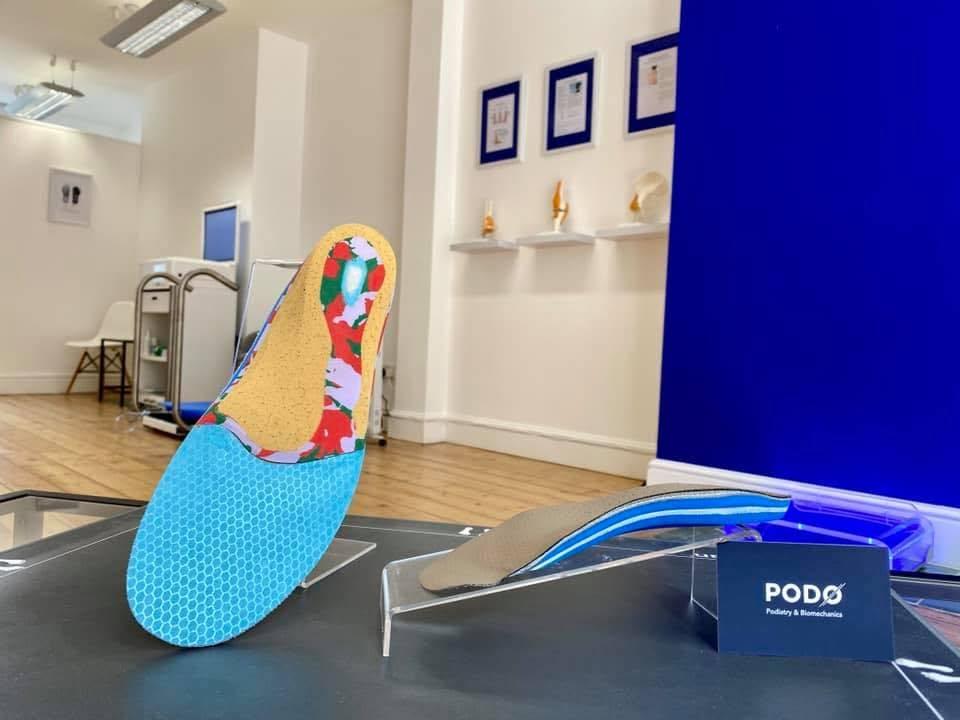
Footwear plays an important role in influencing movement patterns and lower limb function. Patients receiving Biomechanics Liverpool street assessments at PODO London often discover that inappropriate footwear contributes to discomfort and biomechanical stress. Shoes that lack adequate support may alter alignment and increase pressure on certain structures. Conversely, suitable footwear can enhance stability and improve movement efficiency. Biomechanical evaluation helps clinicians provide evidence-based footwear guidance that complements treatment plans and supports healthier physical function in everyday environments.
Sports Participation and Biomechanical Performance
Athletes and physically active individuals place unique demands on their musculoskeletal systems. Through Biomechanics Liverpool street assessments at PODO London, active patients gain valuable insight into how movement mechanics influence performance and injury risk. Running, jumping, and rapid directional changes require efficient force transfer throughout the body. Even minor biomechanical abnormalities may affect performance outcomes or increase strain on specific structures. Comprehensive analysis supports strategies that improve movement quality, enhance athletic efficiency, and reduce the likelihood of repetitive stress injuries.
Children's Biomechanics and Developmental Movement Patterns
Biomechanical assessment is valuable not only for adults but also for growing children. Families seeking Biomechanics Liverpool street services at PODO London often wish to understand how movement patterns may influence physical development. Early identification of biomechanical concerns can help address issues before they become more significant. Monitoring posture, gait, and lower limb function during childhood supports healthy musculoskeletal growth. Professional assessment provides reassurance while ensuring that any developing movement abnormalities receive appropriate attention and management.
Ageing and Changes in Biomechanical Function
As people age, natural changes occur within muscles, joints, and connective tissues. Patients attending Biomechanics Liverpool street consultations at PODO London may notice reduced flexibility, balance challenges, or changes in walking efficiency. Biomechanical assessment helps identify factors contributing to these age-related changes and supports strategies that maintain mobility and independence. Improving movement efficiency can reduce physical strain and enhance confidence during daily activities. Proactive biomechanical care plays an important role in supporting long-term health and quality of life throughout the ageing process.
Advanced Technology Supporting Modern Assessment
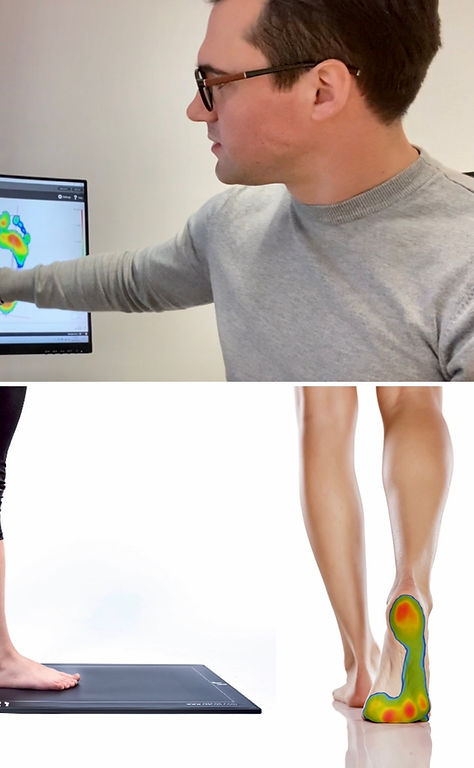
Modern biomechanical assessment combines clinical expertise with advanced technology to provide detailed movement analysis. Through Biomechanics Liverpool street services at PODO London, patients benefit from tools that help clinicians evaluate posture, gait, and pressure distribution with greater precision. These technologies provide objective information that enhances diagnostic accuracy and treatment planning. By combining technological insights with professional experience, clinicians can create more personalised interventions that address each patient's unique biomechanical profile and movement goals.
Personalised Solutions for Individual Movement Needs
No two patients move in exactly the same way, which is why individualised care is essential. At PODO London, every Biomechanics Liverpool street assessment is tailored to the patient's specific concerns, lifestyle, and physical requirements. Clinicians consider factors such as occupation, activity levels, previous injuries, and movement goals when developing treatment recommendations. This personalised approach ensures that interventions target the underlying causes of dysfunction while supporting sustainable improvements in mobility, comfort, and overall musculoskeletal health.
Long-Term Benefits of Biomechanical Assessment
Investing in biomechanical assessment provides benefits that extend far beyond immediate symptom relief. Patients receiving Biomechanics Liverpool street care at PODO London often experience improved movement efficiency, enhanced posture, reduced discomfort, and greater confidence in daily activities. By addressing movement dysfunction early, patients may reduce the risk of future complications and maintain healthier musculoskeletal function over time. Comprehensive biomechanical care supports both preventative health and ongoing physical wellbeing, making it a valuable component of long-term healthcare planning.
Why PODO London Is a Trusted Choice in Liverpool Street
Patients choose PODO London for Biomechanics Liverpool street services because of the clinic's commitment to evidence-based care and personalised assessment. Every patient receives a detailed evaluation that focuses on identifying the root causes of movement dysfunction rather than simply managing symptoms. Through professional expertise, advanced assessment methods, and patient-centred care, PODO London helps individuals achieve healthier movement patterns and improved physical comfort. This comprehensive approach supports long-term mobility and enhances quality of life for people across London.
Conclusion
Healthy movement begins with understanding how the body functions as an integrated system. Through comprehensive Biomechanics Liverpool street services at PODO London, patients receive expert assessment designed to identify movement dysfunction, improve posture, and enhance physical wellbeing. By addressing the underlying causes of discomfort and inefficiency, biomechanical care supports healthier mobility, greater comfort, and improved quality of life. Whether managing existing symptoms or seeking preventative support, professional biomechanical assessment provides valuable insights that contribute to long-term musculoskeletal health.
FAQs
What is a biomechanical assessment?
A biomechanical assessment evaluates how your body moves during standing, walking, and other activities. At PODO London, Biomechanics Liverpool street assessments help identify movement inefficiencies that may contribute to discomfort, instability, or reduced physical performance.
Who should consider biomechanics assessment?
Anyone experiencing recurring pain, movement difficulties, postural concerns, or sports-related issues may benefit. Biomechanics Liverpool street services at PODO London are suitable for professionals, athletes, children, and older adults.
Can biomechanics influence knee and back pain?
Yes. Poor foot function and inefficient movement patterns can affect alignment throughout the body. PODO London uses Biomechanics Liverpool street assessments to identify factors that may contribute to knee, hip, and back discomfort.
Is biomechanical assessment useful for runners?
Absolutely. Runners frequently benefit from Biomechanics Liverpool street analysis at PODO London because it helps improve movement efficiency, reduce injury risk, and support better performance.
How often should biomechanics be assessed?
The frequency depends on individual circumstances. Many patients attending PODO London for Biomechanics Liverpool street services benefit from periodic reassessment to monitor progress and maintain optimal movement function.


