


How Hospitals Can Build a More Reliable Electrosurgical Supply Chain
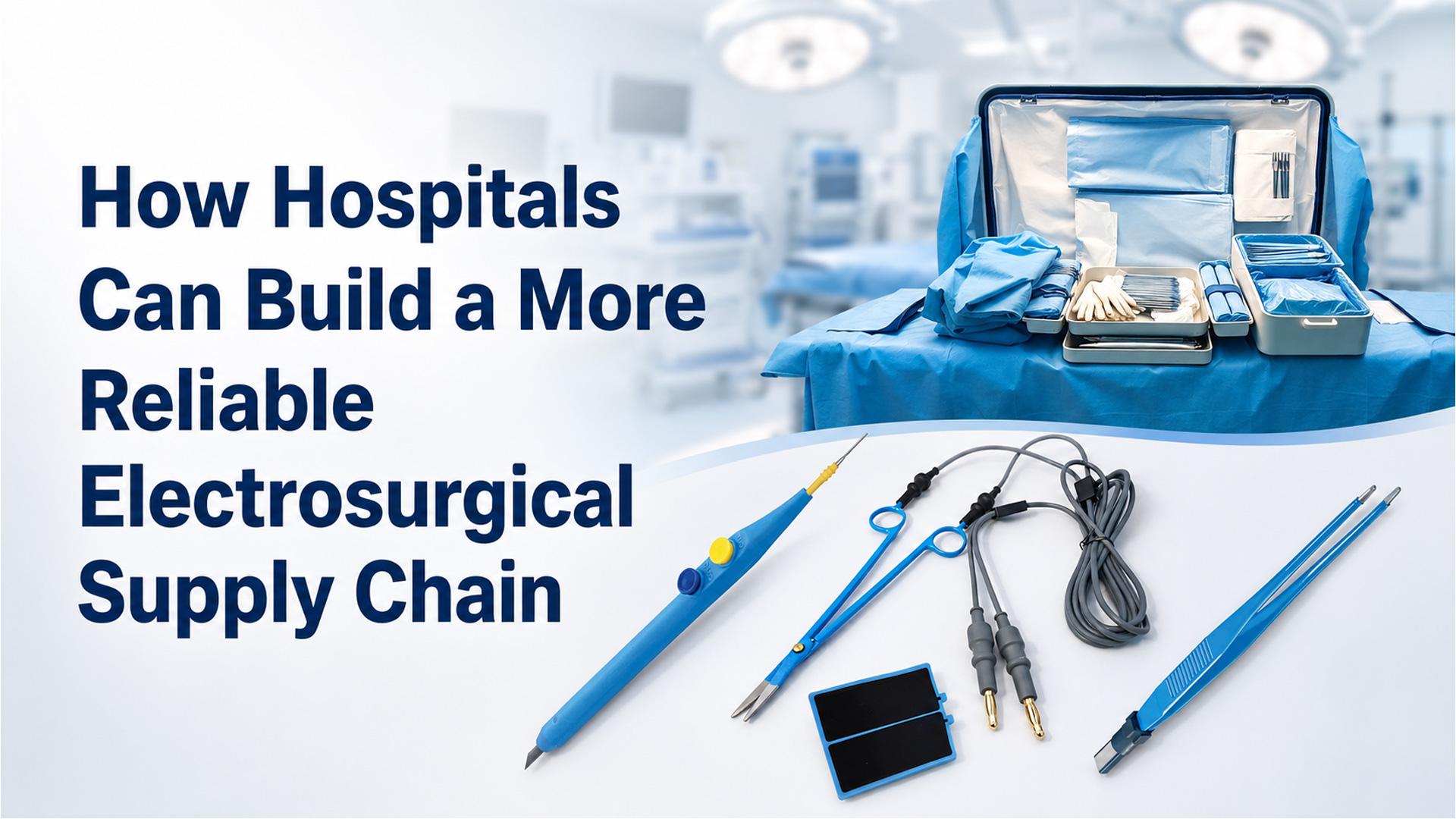
Why procurement teams need clearer product planning, stronger supplier communication and better visibility across electrosurgical categories
Hospitals and surgical departments rely on a steady supply of electrosurgical products to support daily operating theatre requirements. Yet many procurement teams still manage these products through fragmented purchasing conversations. One team may source forceps, another may request diathermy accessories, and a distributor may later be asked to quote cables, plugs, electrode pads or procedure packs separately. A more connected approach to the electrosurgical supply chain can help healthcare buyers reduce confusion, improve quotation accuracy and build more dependable sourcing relationships.
A reliable electrosurgical supply chain depends on clear product categories, responsive supplier communication, documentation support and practical planning across related products such as electrosurgical forceps, bipolar forceps, diathermy electrodes, electrode pads, cables, plugs and procedure packs. Hospitals, clinics and distributors should review these categories together instead of treating each item as a separate purchasing issue.
Why Electrosurgical Products Should Be Managed as Connected Categories
Electrosurgical procurement rarely stops at one product. A hospital may begin with a forceps requirement, then need bipolar instruments, diathermy cautery pencils, electrodes, electrode pads, cables, plugs or a custom surgical pack. When these products are managed separately, procurement teams may face repeated supplier conversations, inconsistent product details and slower internal review.
A connected supply approach allows buyers to review related categories at the same time. This is especially useful when the same surgical department, distributor or operating theatre team is responsible for multiple electrosurgical accessories and instruments.
Procurement insight: Electrosurgical sourcing becomes more efficient when buyers define the full product requirement early, including instruments, accessories, documentation needs, packaging expectations and repeat purchasing plans.
Core Product Groups in an Electrosurgical Supply Chain
- Electrosurgical instruments for operating theatre and surgical department requirements.
- Electrosurgical forceps for buyers reviewing insulated forceps, product type, handling and sizing.
- Bipolar forceps for surgical teams comparing standard bipolar forceps, single-use bipolar forceps and specialist bipolar options.
- Diathermy electrodes for electrosurgical accessory sourcing.
- Diathermy cautery pencils for connected diathermy requirements.
- Electrode pads and return electrode options where applicable.
- Diathermy cables and plugs for connection-related product discussions.
- Procedure packs for structured surgical kit planning and repeat procurement.
How Hospitals Can Improve Supplier Enquiries
- Define the Product Category Clearly
A supplier enquiry should begin with a clear product category. Buyers should confirm whether the request is for electrosurgical instruments, forceps, bipolar forceps, diathermy electrodes, cautery pencils, electrode pads, cables, plugs or procedure pack components. Clear product identification helps suppliers respond with relevant information and reduces delays during internal review.
- Share Quantity and Repeat Purchasing Expectations
Hospitals and distributors should provide estimated quantities wherever possible. Even if exact figures are not final, sharing expected order volume or repeat purchasing patterns can help suppliers prepare more practical quotation responses.
- Request Documentation Early
Documentation is often needed before a product can move through internal approval. Buyers may require product details, catalogue resources, specifications, packaging information and quality-related supplier information before confirming an order.
Healthcare buyers reviewing supplier quality processes can explore quality policy information from Cosil Instruments as part of their supplier review process.
Supplier-side perspective: A complete enquiry should include the product category, expected quantity, packaging requirements, documentation needs, destination market and any related accessories required in the same purchasing cycle.
Why Distributor Support Is Critical to Supply Chain Stability
Medical distributors often sit between suppliers and healthcare buyers. Their ability to support hospitals depends heavily on how clearly suppliers communicate product information. If product descriptions are incomplete or quotation details are unclear, distributors lose time and hospitals may experience delays.
Distributor-friendly suppliers make sourcing easier by providing organised product categories, clear product naming, documentation support and responsive quotation handling. This becomes especially important when distributors are quoting connected products such as forceps, bipolar instruments, diathermy electrodes, electrode pads, cables, plugs and procedure packs.
Single-Use and Reusable Products in Supply Chain Planning
Hospitals may review both single-use and reusable electrosurgical instruments depending on internal workflow, stock handling, purchasing policy and product preference. The right option should be assessed through clinical, technical, procurement and compliance review rather than price alone.
- Single-use products may support defined usage models, simplified stock handling or specific product configurations.
- Reusable products may be considered where internal handling, reprocessing and lifecycle planning are established.
- Distributor-led supply should consider customer demand, documentation needs, packaging expectations and repeat-order feasibility.
Procedure Packs as a Supply Chain Tool
Procedure packs can help hospitals organise related surgical components into a defined purchasing format. When the required products, quantities, packaging expectations and documentation needs are clearly agreed, a procedure pack can reduce the need for repeated individual product enquiries.
Buyers reviewing surgical kit requirements can explore procedure packs as a practical route for discussing custom surgical kit configurations and connected component planning.
Questions Hospitals Should Ask Before Choosing a Supplier
- Can the supplier support connected electrosurgical categories, not just one product?
- Are product details clear enough for internal review?
- Can the supplier provide practical documentation support?
- Does the supplier understand distributor-led quotation requirements?
- Can related accessories be discussed early in the same sourcing cycle?
- Is there support for procedure pack planning where needed?
- Are packaging expectations and order volumes discussed clearly?
Procurement guidance: The best supplier relationships help buyers reduce uncertainty. Clear communication, organised product details and early discussion of related accessories can make electrosurgical sourcing more reliable.
FAQs About Electrosurgical Supply Chain Planning
What is an electrosurgical supply chain?
An electrosurgical supply chain covers the sourcing and supply of related products such as electrosurgical instruments, forceps, bipolar forceps, diathermy accessories, electrode pads, cables, plugs and procedure packs.
Why should hospitals review electrosurgical products together?
Many electrosurgical products are connected in procurement. Reviewing them together can reduce duplicated enquiries, improve quotation accuracy and support better internal planning.
How can distributors support hospital procurement?
Distributors can support hospitals by providing clear product information, organised quotations, documentation support and access to connected surgical product categories.
Can procedure packs improve surgical supply planning?
Procedure packs can help when the required components, quantities, packaging expectations and documentation needs are clearly defined and likely to be repeated.
Final Thoughts
A stronger electrosurgical supply chain begins with clearer product planning. Hospitals, clinics and distributors can reduce sourcing friction by reviewing connected product categories together, requesting documentation early and working with suppliers that understand electrosurgical instruments, forceps, diathermy accessories and procedure packs as part of one wider procurement picture.
For healthcare buyers reviewing connected surgical categories, Cosil Instruments provides sourcing support across electrosurgical instruments, bipolar products, diathermy accessories, procedure packs and related surgical supplies.

 English
 Arabic
 French
 Spanish
 Portuguese
 Deutsch
 Turkish
 Italiano
 Russian
 Romaian
 Portuguese (Brazil)
 Greek
Greek