


10 Real Estate Tokenization Development Strategies Revolutionizing Property Markets
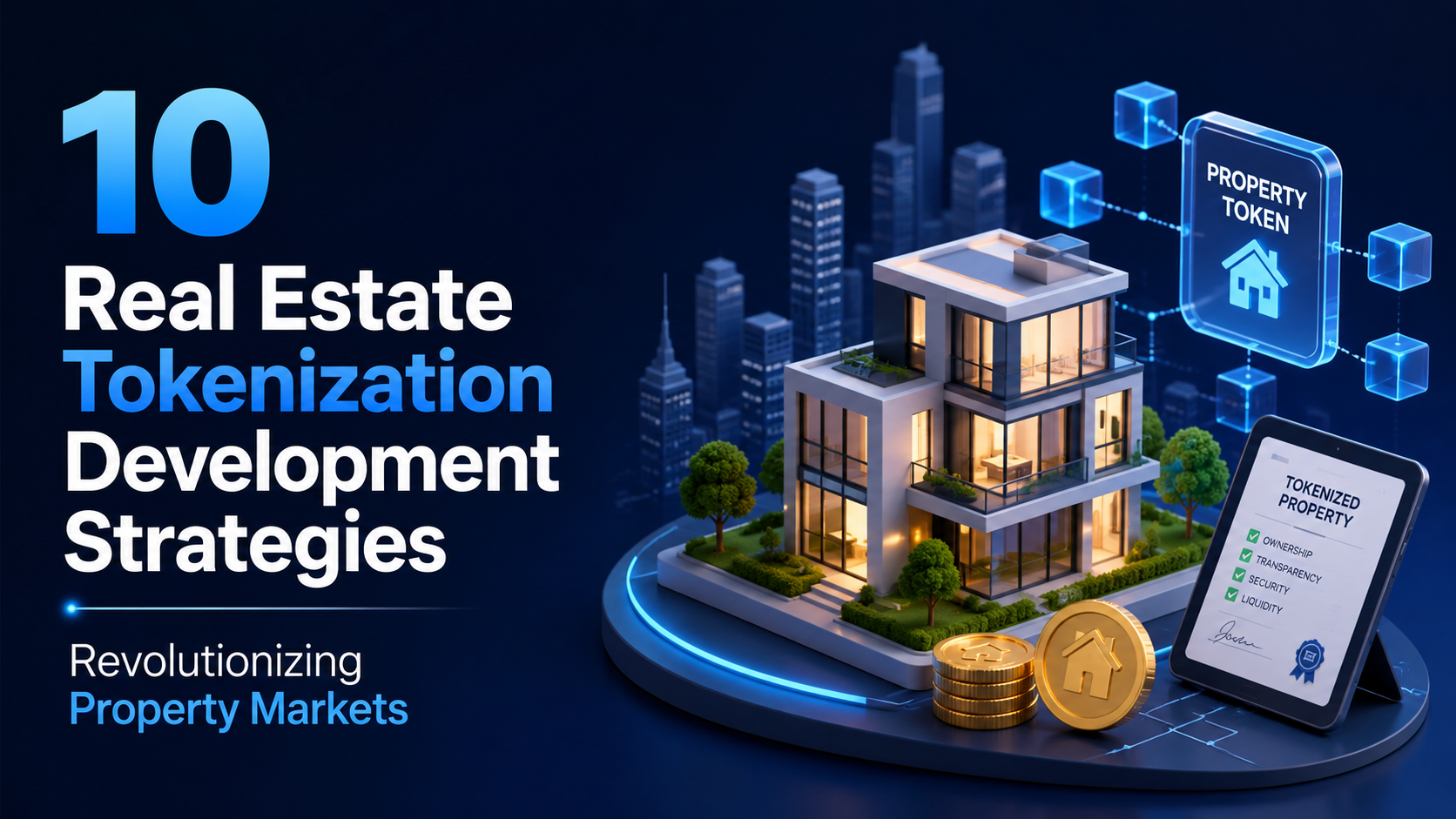
The global property sector is entering a new phase where digital ownership models are becoming increasingly common. Property investors, developers, fund managers, and real estate firms are looking for methods that improve accessibility, increase investor participation, and simplify ownership distribution. One of the most discussed developments in this area is Real Estate Tokenization, which converts ownership interests in physical properties into digital tokens recorded on blockchain networks.
As property values continue to rise in many regions, fractional ownership opportunities are attracting investors who may not have the capital required for direct property acquisition. This growing interest has encouraged businesses to invest in real estate tokenization development initiatives that support digital investment ecosystems. Organizations seeking long-term participation in this market are increasingly working with a Real Estate Tokenization company to establish compliant and investor-focused platforms.
The following strategies are influencing how property markets operate and how stakeholders engage with real estate investments worldwide.
1. Fractional Ownership Structures for Wider Investor Participation
One of the most significant strategies involves dividing property ownership into smaller digital units. Instead of requiring a single investor to purchase an entire asset, ownership can be distributed among multiple participants.
This approach reduces entry barriers and creates opportunities for individuals to invest in premium commercial buildings, residential developments, hospitality properties, and mixed-use projects. Through real estate asset tokenization, investors can gain exposure to real estate portfolios without committing large amounts of capital.
Property developers are increasingly incorporating fractional ownership frameworks into their projects because they attract a broader investor base while expanding fundraising opportunities.
2. Regulatory-First Platform Design
Regulatory compliance remains a major consideration in digital property investments. Successful projects begin with legal and regulatory planning before platform deployment.
Many organizations collaborate with a Real Estate Tokenization Development company to establish structures that align with securities regulations, investor verification requirements, reporting obligations, and jurisdiction-specific guidelines.
A regulatory-first approach helps property owners, investment firms, and investors participate within established legal frameworks. It also contributes to market confidence, which remains an important factor in attracting institutional capital.
As governments continue introducing blockchain-related regulations, compliance-focused development strategies are becoming increasingly common across property markets.
3. Secondary Market Integration
Traditionally, real estate investments are known for limited liquidity. Selling property interests often requires lengthy procedures involving brokers, legal documentation, and negotiations.
A growing strategy within Real Estate Tokenization Platform Development focuses on creating secondary trading environments where qualified investors can buy and sell tokenized ownership interests.
When supported by appropriate regulatory frameworks, secondary markets may shorten transaction timelines and provide investors with additional flexibility. Property owners also benefit from greater market participation since investors often prefer assets that offer multiple exit opportunities.
Secondary trading capabilities are becoming a major consideration when evaluating modern tokenization platforms.
4. Smart Contract-Based Distribution Systems
Managing rental income, dividends, and profit-sharing arrangements can be time-consuming when multiple investors are involved. Smart contract mechanisms are increasingly being used to automate these processes according to predefined rules.
A property generating rental income can distribute earnings proportionally to token holders based on their ownership percentage. This reduces administrative workload and minimizes manual calculations.
Many providers offering Real Estate Tokenization Services include automated income distribution functionality as part of their platform architecture. Such systems support efficient management of investor relationships while maintaining detailed transaction records.
As investor communities continue to expand, automated distribution models are becoming more attractive for property operators.
5. Multi-Property Investment Portfolios
Rather than tokenizing a single property, many firms are creating diversified portfolios that include multiple assets across different regions and sectors.
Investors may gain exposure to residential complexes, office buildings, logistics facilities, retail centers, and hospitality properties through a unified investment structure. This strategy reduces concentration risk associated with a single asset.
A Real Estate Tokenization company often assists clients in structuring diversified offerings that appeal to a broader investor audience. Portfolio-based tokenization is becoming increasingly relevant as institutional investors seek balanced property exposure through digital investment channels.
Diversification continues to remain an important objective for many real estate investment strategies.
6. Cross-Border Investment Opportunities
International property investments have historically involved complex legal procedures, banking requirements, and administrative challenges. Tokenization frameworks are creating new opportunities for investors interested in overseas markets.
Through Real Estate Tokenization Development Services, property owners can present investment opportunities to qualified participants from multiple regions while adhering to relevant regulations.
Cross-border participation increases visibility for property projects and may improve fundraising outcomes. Investors also benefit from access to geographic markets that may have previously been difficult to enter.
As digital investment infrastructure becomes more mature, international participation is expected to play a larger role in tokenized property ecosystems.
7. Institutional-Grade Security and Custody Frameworks
Investor confidence is closely linked to asset protection. As tokenized property markets grow, institutions are placing greater emphasis on custody solutions, security protocols, and asset management procedures.
Modern Real Estate Tokenization platforms increasingly incorporate multi-signature wallets, digital asset custody systems, access controls, and continuous monitoring measures.
Security considerations extend beyond digital tokens themselves. They also include legal ownership structures, investor records, transaction documentation, and reporting systems.
Organizations pursuing long-term participation in the sector often prioritize security planning from the earliest stages of platform development.
8. Data-Driven Property Management Integration
Tokenization is increasingly being connected with property management systems to improve operational oversight and investor communication.
Property performance metrics, occupancy rates, maintenance records, rental collections, and financial reports can be integrated into investor dashboards. This provides participants with ongoing visibility into asset performance.
Real Estate Tokenization Services frequently include reporting features that help investors review property-related information without relying solely on periodic updates.
Access to performance data supports informed decision-making and creates a more structured investment environment for both property managers and investors.
As technology adoption increases across the real estate industry, integrated data systems are becoming a common feature of modern tokenization platforms.
9. Asset-Backed Fundraising Models
Fundraising remains one of the primary reasons developers pursue tokenization initiatives. Instead of relying exclusively on traditional financing channels, developers can raise capital by offering digital ownership interests backed by real estate assets.
This strategy can support residential developments, commercial projects, mixed-use communities, hospitality ventures, and infrastructure-related real estate initiatives.
Companies involved in real estate tokenization development are increasingly creating fundraising structures that accommodate different investor categories, investment thresholds, and project objectives.
Asset-backed fundraising methods provide developers with additional capital formation options while offering investors access to projects that align with their investment goals.
The growing acceptance of blockchain-based investment models continues to influence property financing approaches worldwide.
10. Comprehensive Investor Experience Design
Technology alone is not sufficient for long-term platform success. Investor experience has become a major factor influencing adoption and retention.
Modern Real Estate Tokenization Platform Development initiatives focus heavily on user onboarding, identity verification, investment workflows, portfolio management, reporting accessibility, and customer support.
An investor-friendly platform reduces complexity and makes participation more accessible to individuals who may be unfamiliar with blockchain technology.
Many organizations work closely with a Real Estate Tokenization Development company to create intuitive interfaces that balance regulatory requirements with user convenience.
Platforms that prioritize investor engagement often experience higher participation rates and stronger community growth over time.
The Growing Role of Specialized Development Partners
As the tokenized property market expands, specialized service providers are becoming increasingly important. A Real Estate Tokenization company brings expertise in blockchain architecture, compliance planning, investor management systems, token issuance frameworks, and platform operations.
Businesses entering this sector often rely on experienced development partners to reduce implementation challenges and support long-term project objectives. These providers assist with technical infrastructure while helping organizations navigate legal and operational considerations.
Real Estate Tokenization Development Services continue to evolve as new regulatory standards, investment models, and technology frameworks emerge across global markets.
Future Outlook for Tokenized Property Markets
The property sector is witnessing growing interest in digital ownership structures. Institutional investors, private investment groups, developers, and property management firms are evaluating how tokenization fits within their broader business strategies.
Real Estate Tokenization is increasingly being viewed as a practical method for expanding investor participation, supporting fundraising initiatives, and creating more flexible ownership models. As blockchain adoption continues across financial markets, tokenized real estate is expected to gain greater visibility among both retail and institutional participants.
The continued advancement of Real Estate Tokenization Platform Development, combined with supportive regulatory frameworks and growing investor awareness, may contribute to broader adoption across residential, commercial, industrial, and mixed-use property segments.
Conclusion
Property markets have always evolved alongside financial innovation, and tokenization represents another chapter in that progression. From fractional ownership and diversified portfolios to secondary trading and cross-border participation, the strategies discussed in this article highlight how digital ownership models are influencing real estate investment practices.
Organizations investing in real estate tokenization development are positioning themselves for a market that increasingly values accessibility, efficiency, and broader investor participation. Whether through Real Estate Tokenization Services, real estate asset tokenization initiatives, or complete platform deployment, businesses are actively pursuing opportunities within this emerging sector.
As adoption continues across global property markets, the role of the Real Estate Tokenization Development company will remain significant in helping organizations establish compliant, secure, and investor-focused digital real estate ecosystems.


 English
 Arabic
 French
 Spanish
 Portuguese
 Deutsch
 Turkish
 Dutch
Dutch
 Italiano
 Russian
 Romaian
 Greek
Greek