


Identity Verification Service KYC and Face Verification: Strengthening Digital Trust
In today’s digital-first world, businesses need reliable methods to verify customer identities while maintaining a seamless user experience. An advanced identity verification service KYC process combined with face verification technology has become essential for organizations operating in banking, fintech, insurance, healthcare, e-commerce, and telecommunications. These technologies help prevent fraud, ensure regulatory compliance, and build trust between businesses and customers.
The Importance of Identity Verification Service KYC
Know Your Customer (KYC) is a mandatory process that enables businesses to verify the identity of their customers before providing services. Traditional verification methods often involve manual document checks, which can be time-consuming and prone to errors. Modern identity verification service KYC solutions automate this process by using artificial intelligence, optical character recognition (OCR), and biometric authentication.
A robust KYC verification system validates government-issued identity documents, extracts relevant data, and cross-checks information against trusted databases. This not only speeds up customer onboarding but also helps organizations comply with anti-money laundering (AML) regulations and other compliance requirements.
How Face Verification Enhances Security
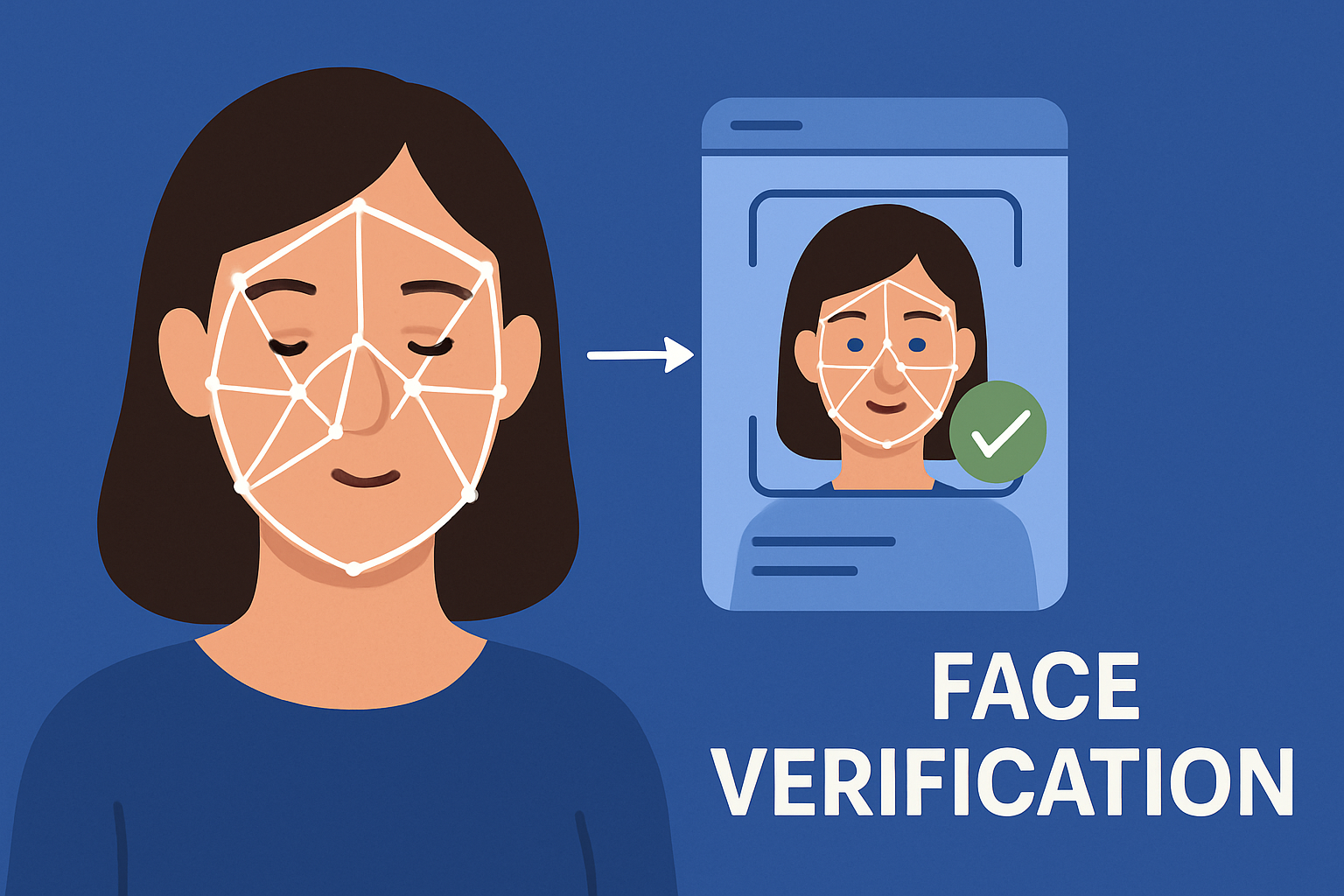
Face verification is a biometric technology that compares a user's live facial image with the photo on their identity document. By leveraging advanced facial recognition algorithms, businesses can confirm that the person presenting the document is its legitimate owner.
Face verification significantly reduces identity fraud risks, including stolen identities, fake documents, and account takeover attempts. The technology provides a fast, secure, and user-friendly verification experience that can be completed remotely through a smartphone or computer.
Benefits of Combining KYC and Face Verification
Integrating identity verification service KYC with face verification offers several advantages:
Enhanced Fraud Prevention: Detects impersonation attempts and fake identities.
Regulatory Compliance: Supports adherence to KYC, AML, and customer due diligence requirements.
Faster Onboarding: Automates verification workflows, reducing approval times.
Improved Customer Experience: Enables secure remote verification without physical visits.
Scalability: Handles large volumes of verifications efficiently.
Organizations that implement both technologies can create a more secure digital ecosystem while minimizing operational costs and manual intervention.
Industry Applications
Identity verification service KYC and face verification are widely used across industries. Banks and fintech companies use them for account opening and loan applications. Insurance providers leverage these solutions to verify policyholders and process claims securely. Healthcare organizations use biometric verification to protect patient data, while online marketplaces utilize identity checks to prevent fraudulent transactions.
Conclusion
As digital transactions continue to grow, businesses must adopt advanced security measures to protect customers and comply with evolving regulations. A comprehensive identity verification service KYC solution combined with face verification technology provides a secure, efficient, and scalable approach to identity authentication. By reducing fraud, accelerating onboarding, and enhancing user trust, these solutions have become essential components of modern digital identity management.
In today’s digital-first world, businesses need reliable methods to verify customer identities while maintaining a seamless user experience. An advanced identity verification service KYC process combined with face verification technology has become essential for organizations operating in banking, fintech, insurance, healthcare, e-commerce, and telecommunications. These technologies help prevent fraud, ensure regulatory compliance, and build trust between businesses and customers.
The Importance of Identity Verification Service KYC
Know Your Customer (KYC) is a mandatory process that enables businesses to verify the identity of their customers before providing services. Traditional verification methods often involve manual document checks, which can be time-consuming and prone to errors. Modern identity verification service KYC solutions automate this process by using artificial intelligence, optical character recognition (OCR), and biometric authentication.
A robust KYC verification system validates government-issued identity documents, extracts relevant data, and cross-checks information against trusted databases. This not only speeds up customer onboarding but also helps organizations comply with anti-money laundering (AML) regulations and other compliance requirements.
How Face Verification Enhances Security
Face verification is a biometric technology that compares a user's live facial image with the photo on their identity document. By leveraging advanced facial recognition algorithms, businesses can confirm that the person presenting the document is its legitimate owner.
Face verification significantly reduces identity fraud risks, including stolen identities, fake documents, and account takeover attempts. The technology provides a fast, secure, and user-friendly verification experience that can be completed remotely through a smartphone or computer.
Benefits of Combining KYC and Face Verification
Integrating identity verification service KYC with face verification offers several advantages:
Enhanced Fraud Prevention: Detects impersonation attempts and fake identities.
Regulatory Compliance: Supports adherence to KYC, AML, and customer due diligence requirements.
Faster Onboarding: Automates verification workflows, reducing approval times.
Improved Customer Experience: Enables secure remote verification without physical visits.
Scalability: Handles large volumes of verifications efficiently.
Organizations that implement both technologies can create a more secure digital ecosystem while minimizing operational costs and manual intervention.
Industry Applications
Identity verification service KYC and face verification are widely used across industries. Banks and fintech companies use them for account opening and loan applications. Insurance providers leverage these solutions to verify policyholders and process claims securely. Healthcare organizations use biometric verification to protect patient data, while online marketplaces utilize identity checks to prevent fraudulent transactions.
Conclusion
As digital transactions continue to grow, businesses must adopt advanced security measures to protect customers and comply with evolving regulations. A comprehensive identity verification service KYC solution combined with face verification technology provides a secure, efficient, and scalable approach to identity authentication. By reducing fraud, accelerating onboarding, and enhancing user trust, these solutions have become essential components of modern digital identity management.
Identity Verification Service KYC and Face Verification: Strengthening Digital Trust
In today’s digital-first world, businesses need reliable methods to verify customer identities while maintaining a seamless user experience. An advanced identity verification service KYC process combined with face verification technology has become essential for organizations operating in banking, fintech, insurance, healthcare, e-commerce, and telecommunications. These technologies help prevent fraud, ensure regulatory compliance, and build trust between businesses and customers.
The Importance of Identity Verification Service KYC
Know Your Customer (KYC) is a mandatory process that enables businesses to verify the identity of their customers before providing services. Traditional verification methods often involve manual document checks, which can be time-consuming and prone to errors. Modern identity verification service KYC solutions automate this process by using artificial intelligence, optical character recognition (OCR), and biometric authentication.
A robust KYC verification system validates government-issued identity documents, extracts relevant data, and cross-checks information against trusted databases. This not only speeds up customer onboarding but also helps organizations comply with anti-money laundering (AML) regulations and other compliance requirements.
How Face Verification Enhances Security
Face verification is a biometric technology that compares a user's live facial image with the photo on their identity document. By leveraging advanced facial recognition algorithms, businesses can confirm that the person presenting the document is its legitimate owner.
Face verification significantly reduces identity fraud risks, including stolen identities, fake documents, and account takeover attempts. The technology provides a fast, secure, and user-friendly verification experience that can be completed remotely through a smartphone or computer.
Benefits of Combining KYC and Face Verification
Integrating identity verification service KYC with face verification offers several advantages:
Enhanced Fraud Prevention: Detects impersonation attempts and fake identities.
Regulatory Compliance: Supports adherence to KYC, AML, and customer due diligence requirements.
Faster Onboarding: Automates verification workflows, reducing approval times.
Improved Customer Experience: Enables secure remote verification without physical visits.
Scalability: Handles large volumes of verifications efficiently.
Organizations that implement both technologies can create a more secure digital ecosystem while minimizing operational costs and manual intervention.
Industry Applications
Identity verification service KYC and face verification are widely used across industries. Banks and fintech companies use them for account opening and loan applications. Insurance providers leverage these solutions to verify policyholders and process claims securely. Healthcare organizations use biometric verification to protect patient data, while online marketplaces utilize identity checks to prevent fraudulent transactions.
Conclusion
As digital transactions continue to grow, businesses must adopt advanced security measures to protect customers and comply with evolving regulations. A comprehensive identity verification service KYC solution combined with face verification technology provides a secure, efficient, and scalable approach to identity authentication. By reducing fraud, accelerating onboarding, and enhancing user trust, these solutions have become essential components of modern digital identity management.


 English
 Arabic
 French
 Spanish
 Portuguese
 Deutsch
 Turkish
 Dutch
Dutch
 Italiano
 Russian
 Romaian
 Greek
Greek